Stories
Guamanga, “Another Sodom”: An Accusation About Convents and Franciscans

What does the prologue condemn when it names Guamanga?

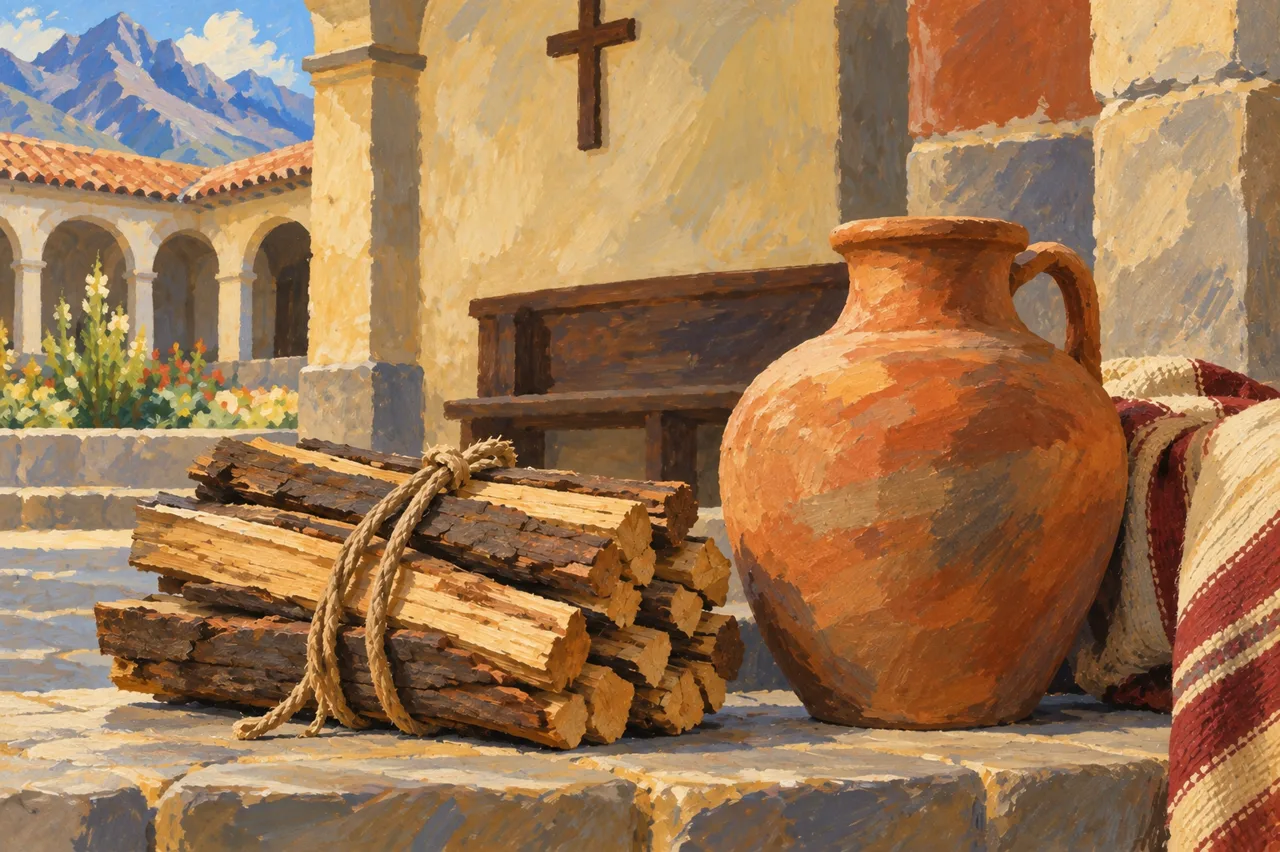
The prologue condemns the poverty of the convents and the treatment of Franciscan friars, who, it alleges, are forced to fetch water and firewood barefoot.1In this condemnation, the author names Guamanga alongside Quito and Cuzco, although the quoted passage does not specify what allegedly happened in each city.1
The comparison with Sodom can be read as a way of intensifying religious censure, but it does not justify attributing specific acts to the inhabitants when those acts are not mentioned in the excerpt.1
Whom does the author hold responsible for the friars’ poverty?

In the same accusation, the author addresses the wealthy inhabitants of the cities, reproaching them for persecuting the poor Franciscan friars and taking away the Indigenous people associated with alms.2Framed this way, the accusation suggests that the author presents the friars’ poverty as grounds for holding the wealthy sectors of urban society accountable.12
The denunciation identifies whom the author blames, but it is insufficient to establish that the alleged conduct occurred.12
What context does the allocation of Indigenous people in encomienda provide?
Many Indigenous people, most of them mitimaes, were allotted to residents of Guamanga in encomienda.3The source explains that mitimaes were Indigenous people moved from one land to another on the orders of the Inca kings, and also mentions some orejones.3The excerpt adds that many were missing because of the wars, without providing figures.3
This information provides context about the population allotted in encomienda, but does not itself explain the convent poverty condemned in the prologue.31Nor do the quoted excerpts establish that the Indigenous people allotted in encomienda were the same people the author mentions in his accusation concerning alms.32
How much can this denunciation tell us about religion in Guamanga?
The denunciation allows us to study the author’s criticisms concerning the Franciscans’ livelihood and treatment, although the quoted excerpt does not provide a detailed account of the situation in Guamanga.12Since the available excerpt does not describe ceremonies, attendance at worship or devotions, reconstructing the religious practices of the population as a whole would require further documentation.12
How we know
Claims cited: 3 · checked against our sources: 1 · not independently fact-checked: 2.
Sources
The prologue charges: 'You keep the said convents very poor', making the holy Franciscan friars 'go barefoot for water and firewood' — 'Another Sodom you have: Guamanga, Quito, Cuzco'.
not independently fact-checked primary source
Guaman Poma de Ayala, Felipe, c.1535-c.1616, Nueva corónica y buen gobierno (GKS 2232 4º) — kb.dk transcription cap01#b931
The author charges the cities' rich: 'you keep the said convents very poor, having persecuted the poor friars… of San Francisco, making him go barefoot for water and firewood', taking away the Indians of the alms.
not independently fact-checked primary source
Guaman Poma de Ayala, Felipe, c.1535-c.1616, Nueva corónica y buen gobierno (GKS 2232 4º) — kb.dk transcription cap01#b931
Many Indians were allotted to the vecinos of Guamanga in encomienda; most were mitimaes, 'Indians transplanted from one land to another; the contrivance of the Inca kings', some orejones; and 'many are those missing because of the wars'.
fact-checked primary source
Pedro de Cieza de León, La crónica del Perú (1922) cap86#b1
leyenda-dorada · https://leyendadorada.com/en/stories/guamanga-religious-accusation-convents-franciscans · accessed November 22, 2026