
With their sources in plain view
Stories
Leyenda Dorada stories told with sources: every claim with its source.
72 articles
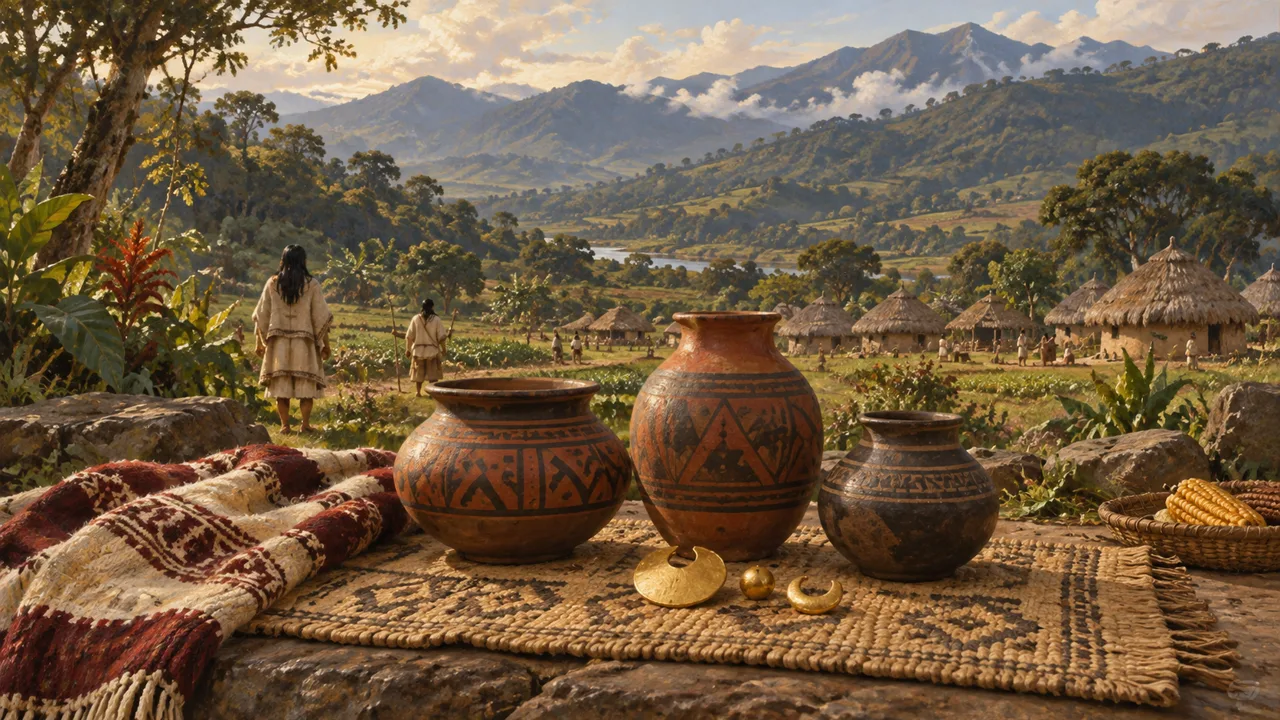
Popayán and Pasto in Cieza de León: Lands, Tombs and Roads
Cieza places the province of Popayán between Pasto and Antiocha and distinguishes it from Peru by its people and lands. The excerpts describe tombs toward the kingdoms of Popayán, locate Pasto in the valley of Atris and mention places along the road toward Quito.
Hojeda and Caonabo's Imprisonment: What Safe-Conduct Did the Cacique Say He Had Been Promised?
The passage does not specify the terms of the safe-conduct Caonabo said he had been promised. According to the account, Hojeda either failed to honor that safe-conduct or the cacique misunderstood it.
Juan de Grijalva: From Gold in Santiago de Cuba to a River’s Name
According to an unverified source, Grijalva’s fleet brought about four thousand pesos of gold to Santiago de Cuba, plus the royal fifth. Another unverified source explains that the Tabasco River took its name from a cacique and was also called the Grijalva River on nautical charts because its discovery was attributed to Grijalva.
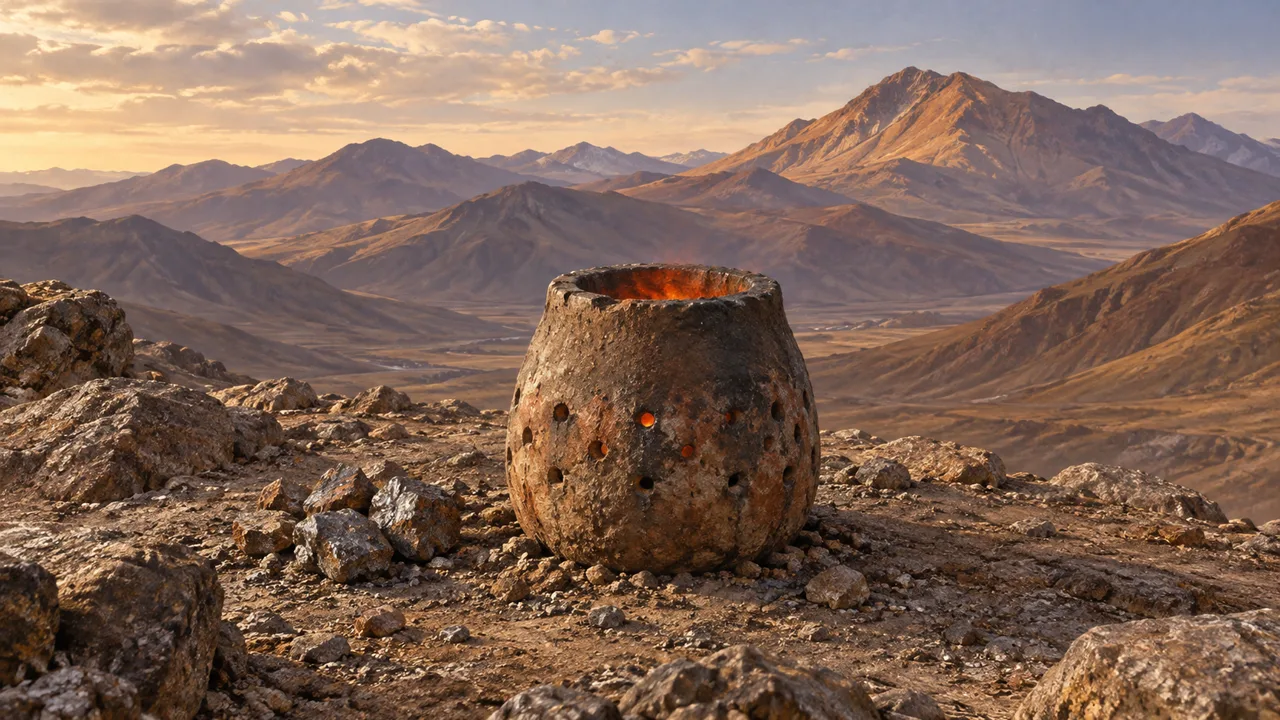
Potosí: Silver Wealth and Indigenous Knowledge of Guairas
According to the accounts, Indigenous people extracted Potosí's silver using guairas where large bellows failed. The sources describe extraordinary wealth and attribute the difficulty to the apparent stiffness of the metal, without explaining how guairas worked.
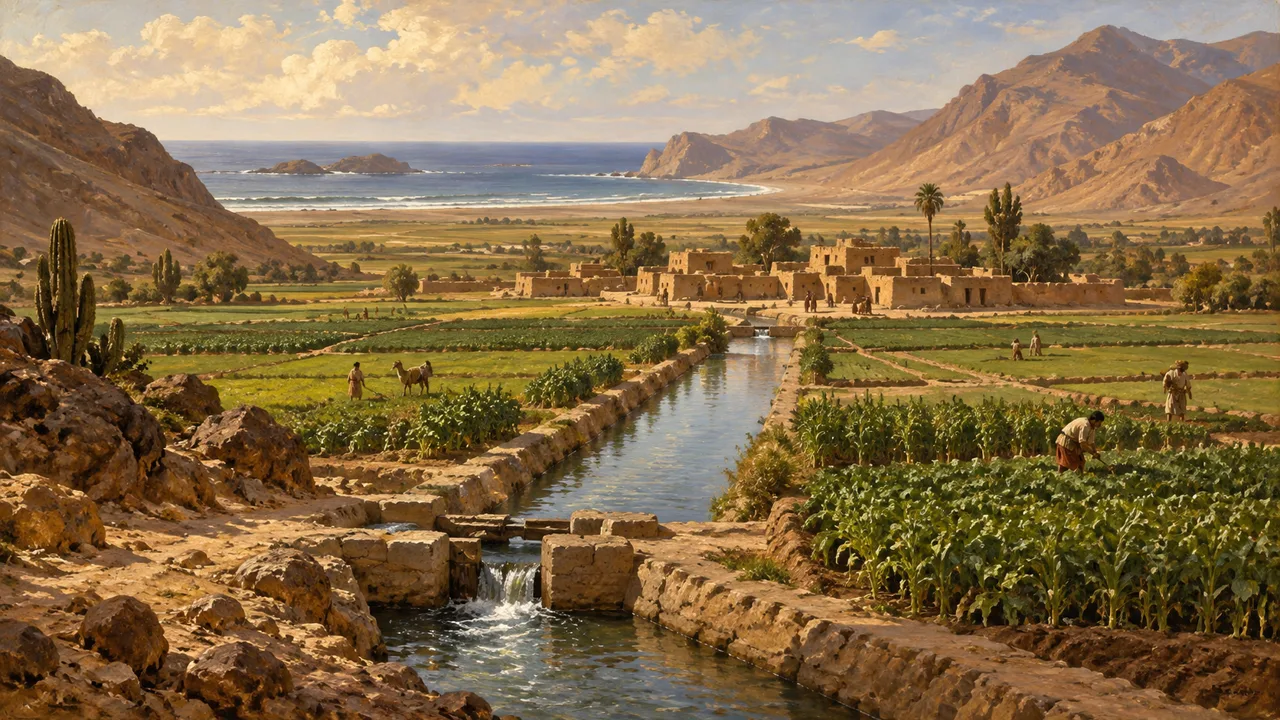
Pizarro and Almagro: Aid on Gorgona and Fears over the Coast
According to the sources, Almagro sent a ship to Pizarro on Gorgona, and Pizarro decided to found Lima for fear that Almagro might occupy part of the coast. These unverified accounts present Almagro as a provider of aid and a potential competitor.
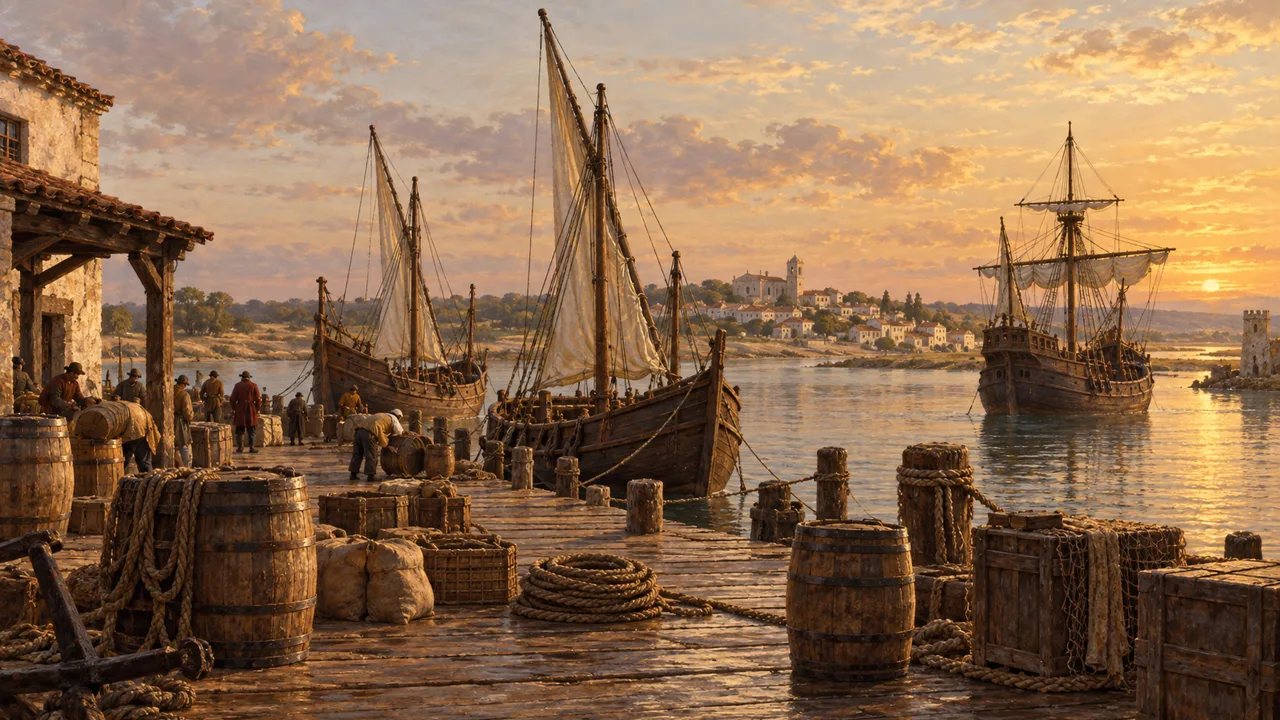
Palos, the Port Where Columbus Prepared to Set Sail
According to the Diario preserved by Las Casas, Columbus fitted out three ships at Palos and departed on August 3 with abundant provisions and many seamen. The account of the financing also places the expenditure at Palos, before a public notary.
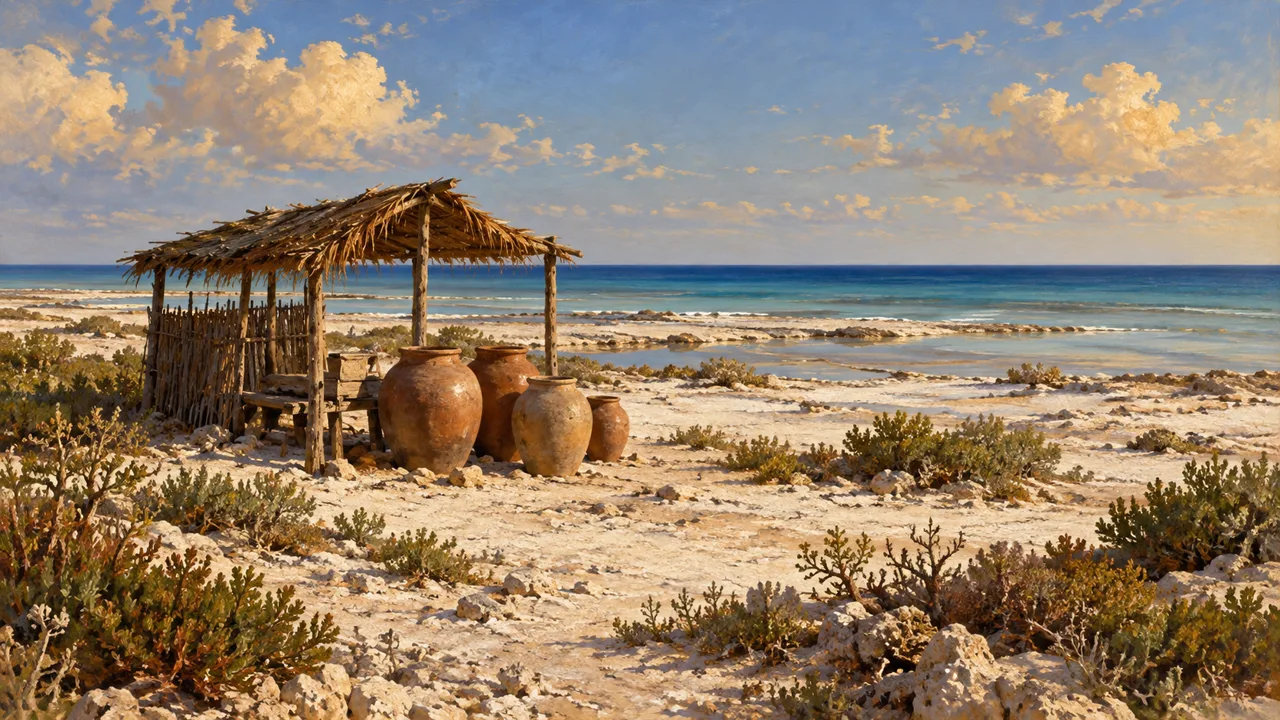
Cubagua, the Island of Pearls and Lucayan Divers
According to the supplied account, the Spaniards agreed to send the Lucayans to Cubagua to gather pearls because of their skill as divers. Another passage describes difficulties supplying water to the Christians who remained on the island.
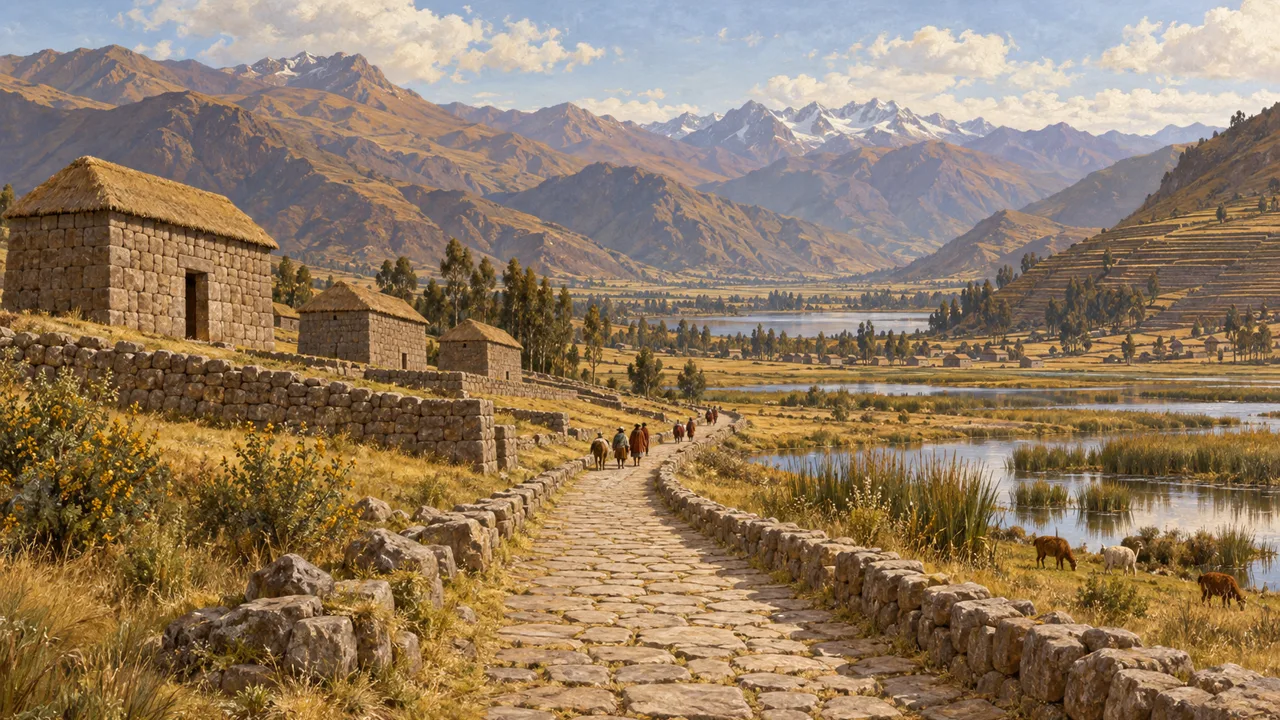
The Jauja Valley: Towns, Roads and Customs
According to the account, the inhabitants of the Jauja valley were grouped into three divisions, each with its own lord. The sources describe Inca royal roads and ceremonies involving the dead. Cieza gives population figures, while Guaman Poma reports royal grants and makes accusations against the inhabitants.
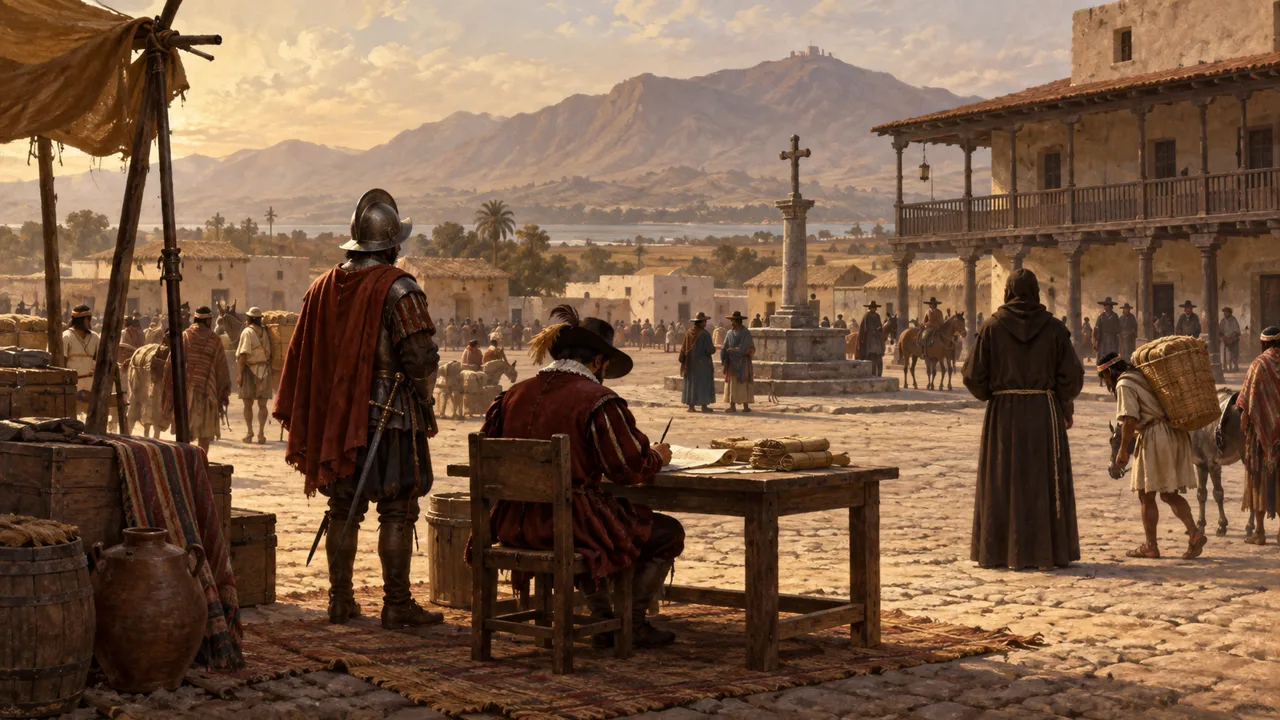
Lima in the Chronicles: Pizarro, the Valley’s Indigenous Inhabitants and Guaman Poma
According to the account of its founding, Pizarro decided to settle Lima for fear that Almagro might occupy part of the coast. The description of the valley attributes the small number of Indigenous inhabitants to the occupation of their lands when the city was settled.
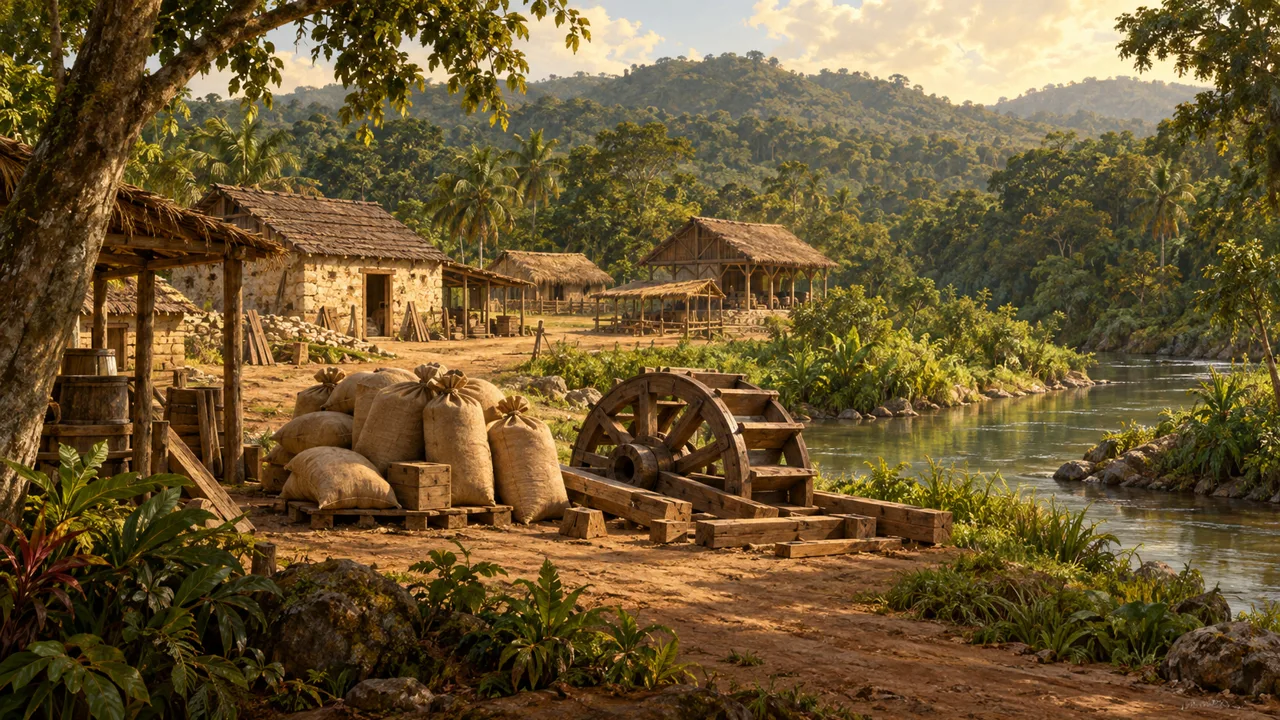
La Isabela: hunger and the memory of the Admiral’s town
The accounts describe hunger, sickness and difficulties building mills in La Isabela; an accusation attributes deaths to forced labor without food. Other passages record fear of crossing the deserted town and a rumor of figures among its buildings.
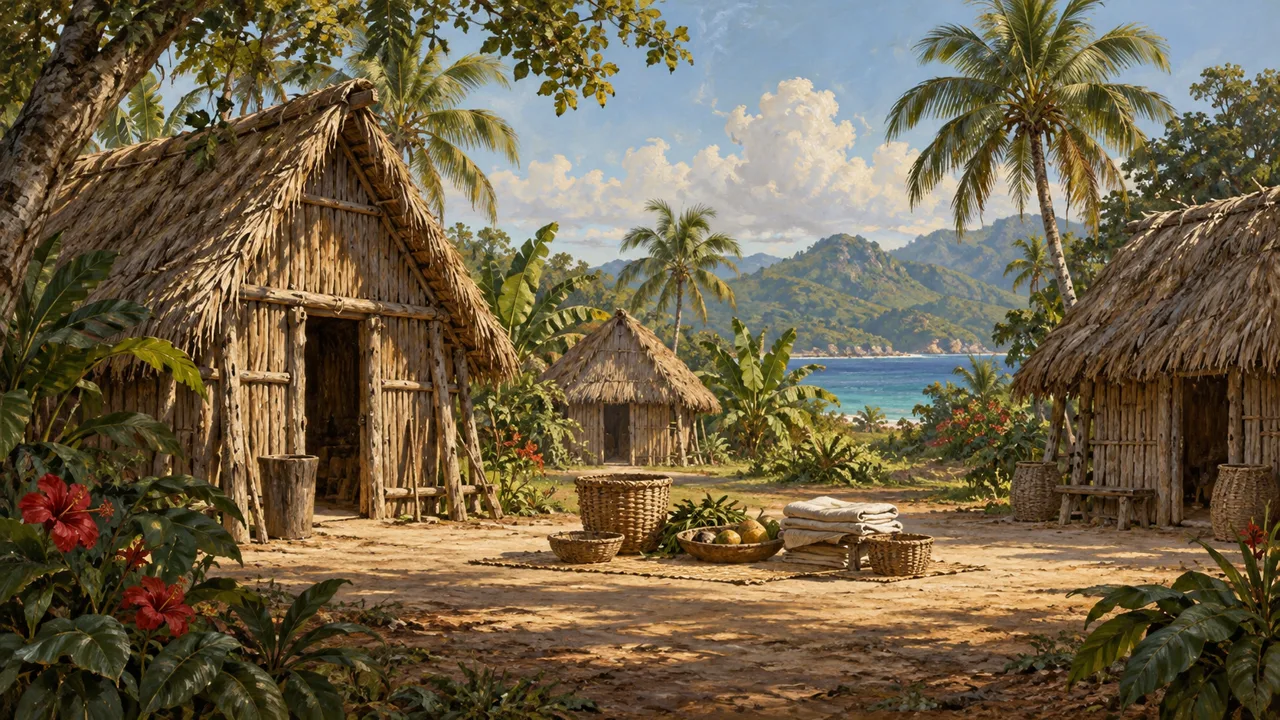
Narváez and Indigenous people: the order for Bayámo and the welcome in Xagua
According to the chronicles, Velázquez ordered Narváez to secure the Indigenous people of Bayámo by peaceful means if possible, otherwise by war. The accounts describe a nighttime attack in Bayámo and an affectionate welcome in Xagua. Bernal Díaz attributes the spread of smallpox to a man in Narváez’s company.
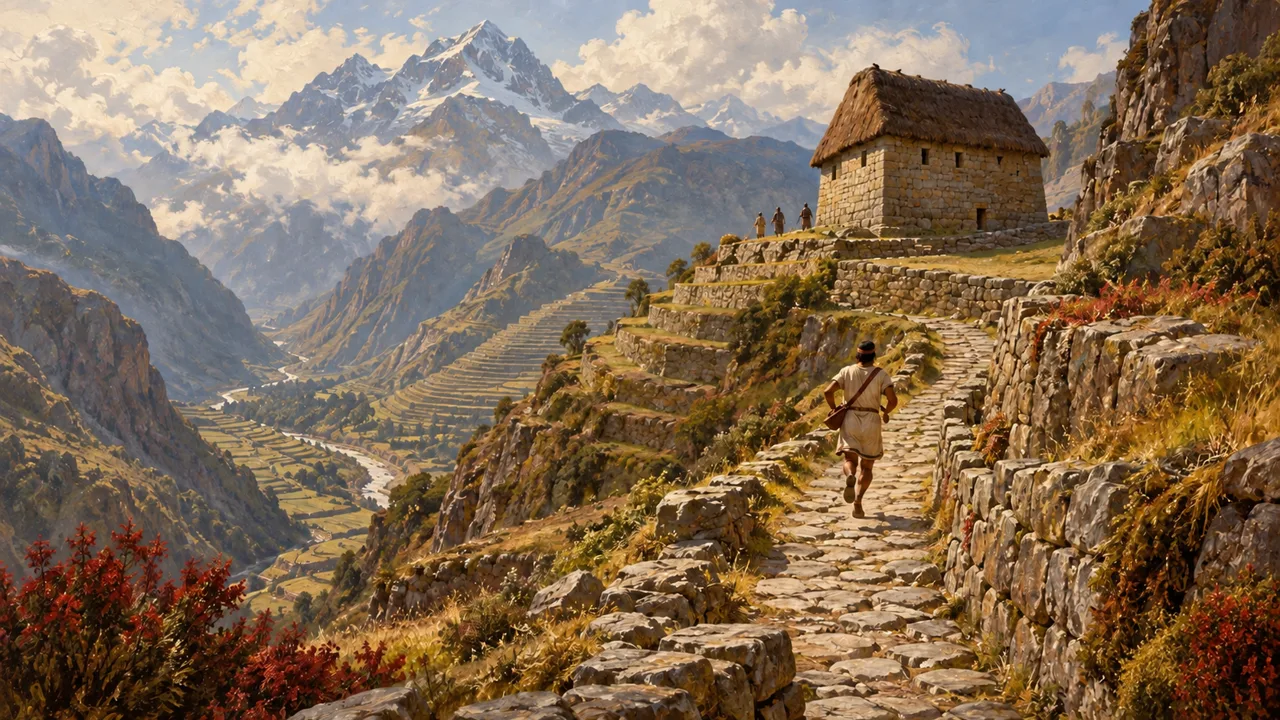
In the Inca's Service: Officials, Couriers and Guardians
According to the cited testimonies, among them Guaman Poma, the Inca was served by a viceroy who represented him in the provinces, an alcalde de corte and alguaciles charged with making arrests, chasquis who carried the relay post, guardians of the sown fields, and auca camayoc soldiers. Cuzco was the capital of the realm of the Incas, Tawantinsuyu.


