Stories
Velázquez in Cuba: Santiago and Baracoa

What does Bernal Díaz say about Santiago de Cuba?

Bernal Díaz writes that Velázquez resided in Santiago de Cuba.1He also notes that Grijalva, Alvarado, Montejo and Ávila were present in Santiago.1
What does Las Casas recount about Baracoa?

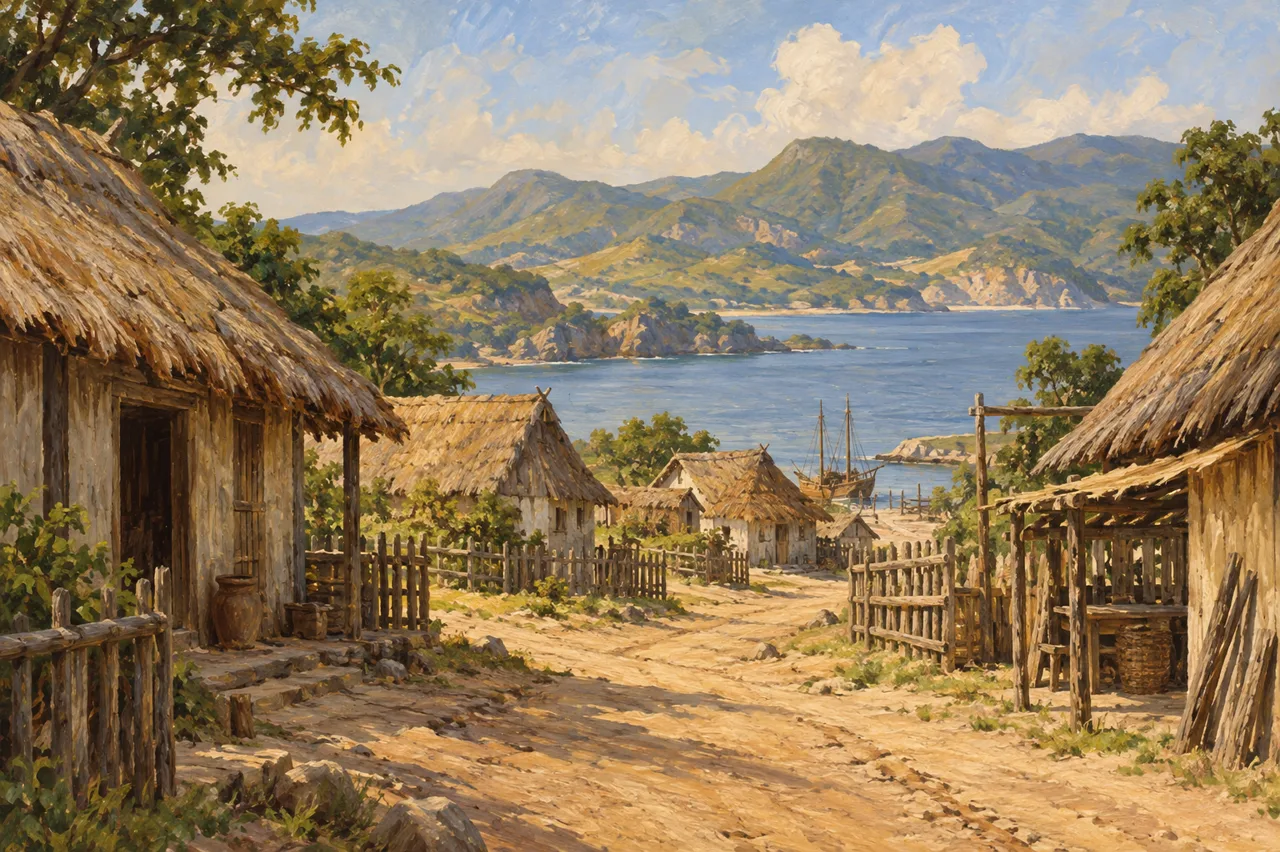
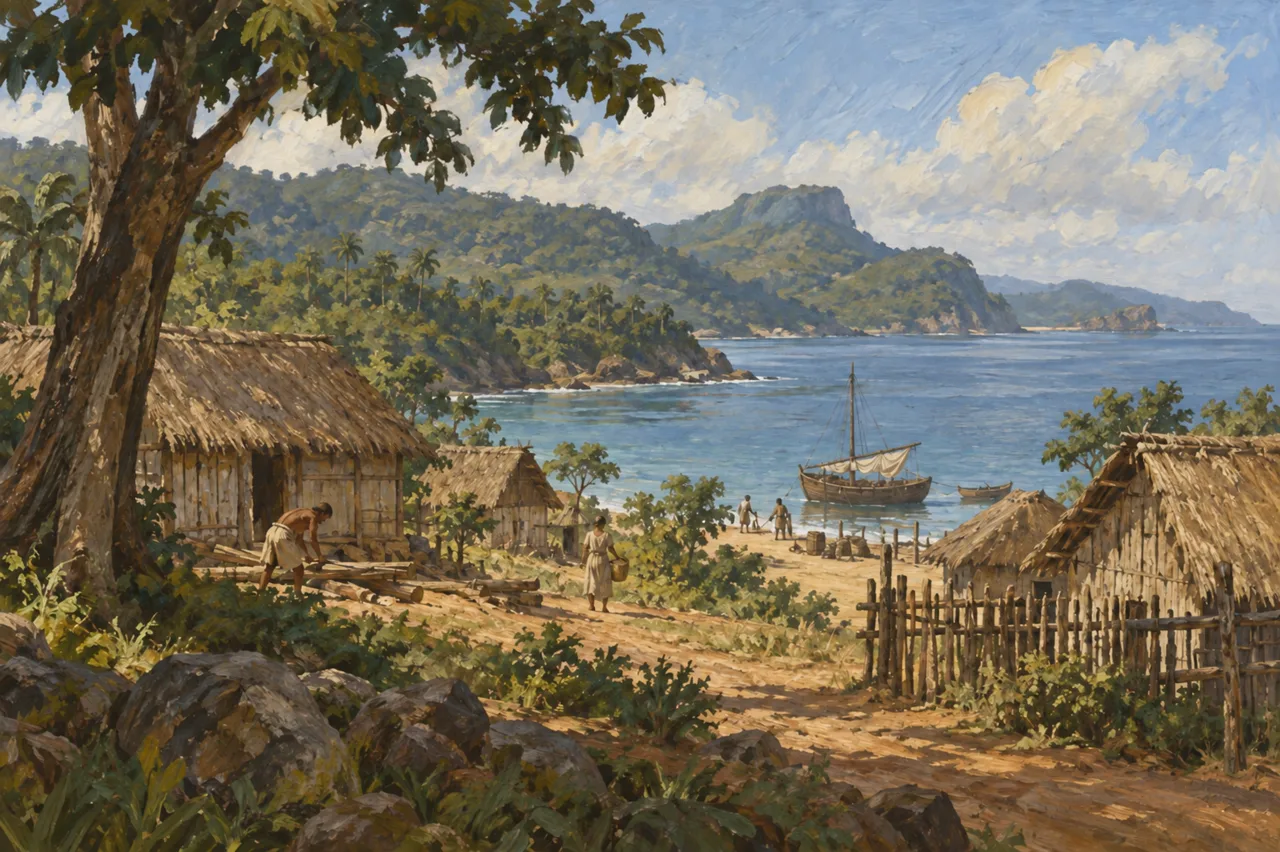
According to Las Casas, Velázquez settled in Baracoa the Spanish residents he deemed appropriate to establish in the town.2
What was allotted, and who benefited?
Las Casas recounts that, once the residents were settled in Baracoa, Velázquez allotted Indigenous people from the provinces of Maycí and Bayatiquirí among them.3The account includes Velázquez himself and his father-in-law, identified as the treasurer, among the beneficiaries.3
How we know
Claims cited: 3 · checked against our sources: 2 · not independently fact-checked: 1.
Sources
Santiago de Cuba was the governor's residence: Bernal Díaz says 'they were present at Santiago de Cuba, where Velázquez resided', with Grijalva, Alvarado, Montejo and Ávila, all encomenderos.
fact-checked primary source
Bernal Díaz del Castillo, Verdadera historia de los sucesos de la conquista de la Nueva-España (1 de 3) cap08#b2
Baracoa was the town where Velázquez seated vecinos: Las Casas says 'Diego Velázquez settled the Spanish vecinos he decided to place in the town of Baracoa' and allotted them the Indians of the provinces.
not independently fact-checked primary source
Bartolomé de las Casas, Historia de las Indias (vol. 4 de 5) cap09#b1:68106-69195
'Repartir' the Indians was the verb of the allotment: Las Casas says Velázquez, once the vecinos were settled at Baracoa, 'allotted them the Indians of the provinces of Maycí... and Bayatiquirí', not forgetting himself nor his father-in-law the treasurer.
fact-checked primary source
Bartolomé de las Casas, Historia de las Indias (vol. 4 de 5) cap09#b1:68106-69195
leyenda-dorada · https://leyendadorada.com/en/stories/velazquez-cuba-santiago-baracoa · accessed November 22, 2026