
With their sources in plain view
Stories
Leyenda Dorada stories told with sources: every claim with its source.
72 articles
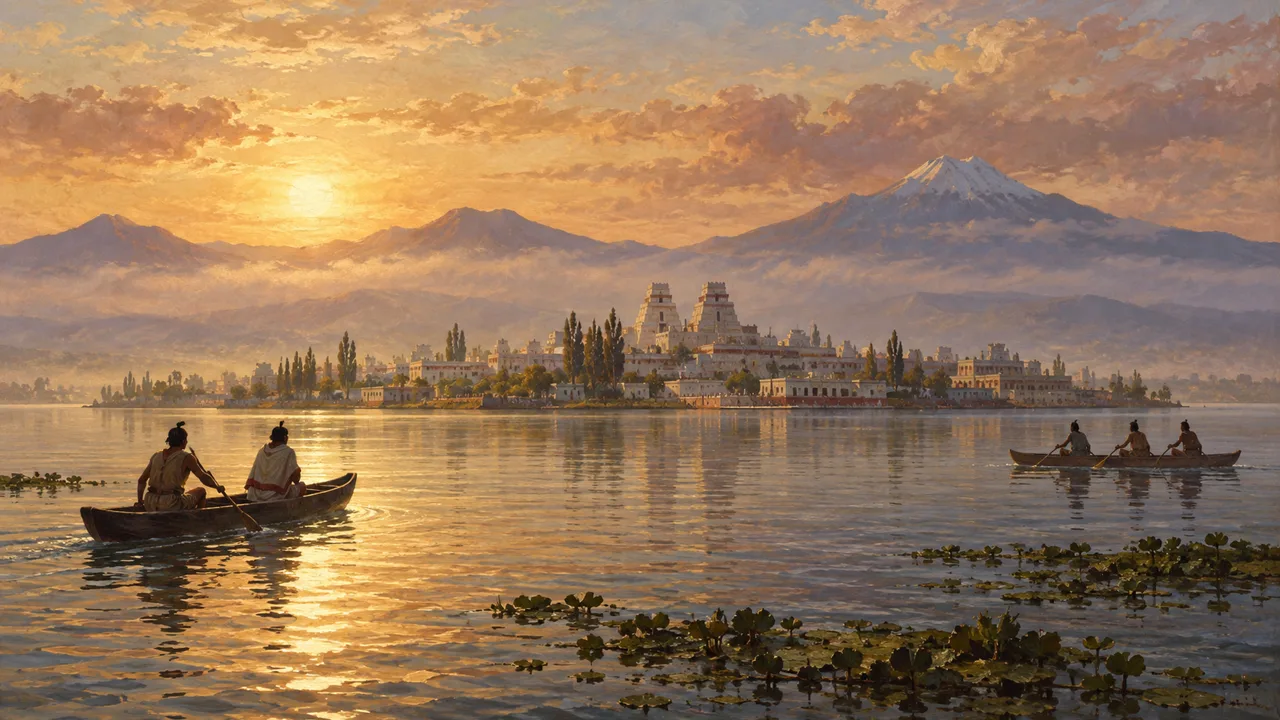
Was Tenochtitlan an island in 1492? What the sources say about 1519 and what is inferred
The inference is yes: Mexico-Tenochtitlan was already an island in 1492. In 1519 it stood on an island in Lake Texcoco, linked to the mainland by causeways that Las Casas attributes to an earlier ruler; its island status in 1492 is deduced from that attribution and is an inference, not a measured fact.
Chile between conquest and defence: what the accounts say and what they allow us to verify
The fragments present Chile as the target of conquests attributed to Apo Camae Ynga and Pachacoti Ynga Yupanqui. It is linked to Cuzco by roads and named in a yearly transfer order for its defence. On their own, the fragments do not confirm the military figures, how far the conquests reached or whether the transfers were carried out.
The Collao according to Cieza: towns, herds and memories of Titicaca
Cieza describes the Collao through its towns and temples, and regards herds as essential for obtaining clothing through trade. He also records Titicaca traditions that he calls “jests” and complaints he says he heard about ill-treatment, animals taken by force and people leaving out of fear.
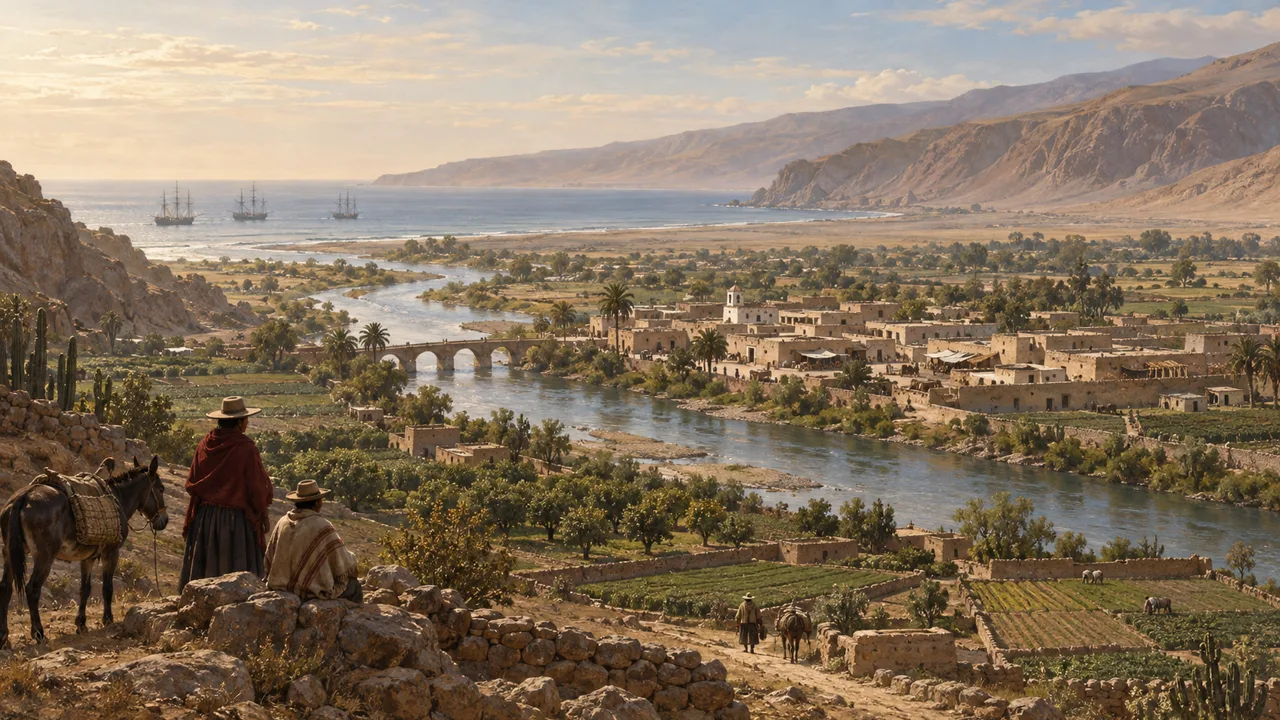
Toledo’s Ordinances in Guaman Poma: Rules and Abuses
Guaman Poma presents Francisco de Toledo’s ordinances as rules that limited demands on Indigenous people. He also denounces practices that contradicted them and tells how Toledo, in anger, sentenced Topa Amaro Ynga to be beheaded. His chronology needs checking: he places Santiago’s building in Toledo’s time, but the act preserved in Chile dates its foundation to 1541.
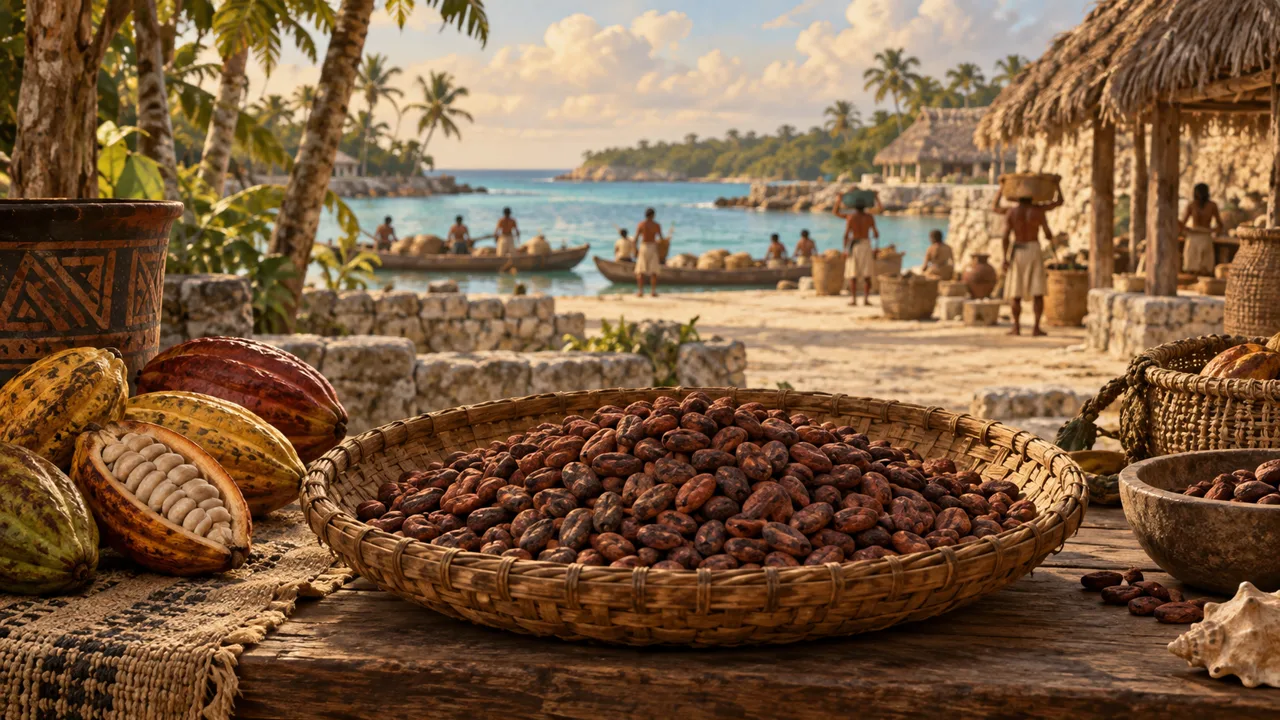
Yucatán in the Chronicles: Names, Pilgrimages and Montejo’s Title
According to the excerpts, Cotoche’s name derives from Indigenous words, pilgrimages to Cozumel were prompted by idols in a shrine, and cacao served as currency. They also describe the languages known by Doña Marina and Jerónimo de Aguilar; Bernal Díaz reports that Montejo obtained the title of adelantado of Yucatán through a capitulación with the Crown.
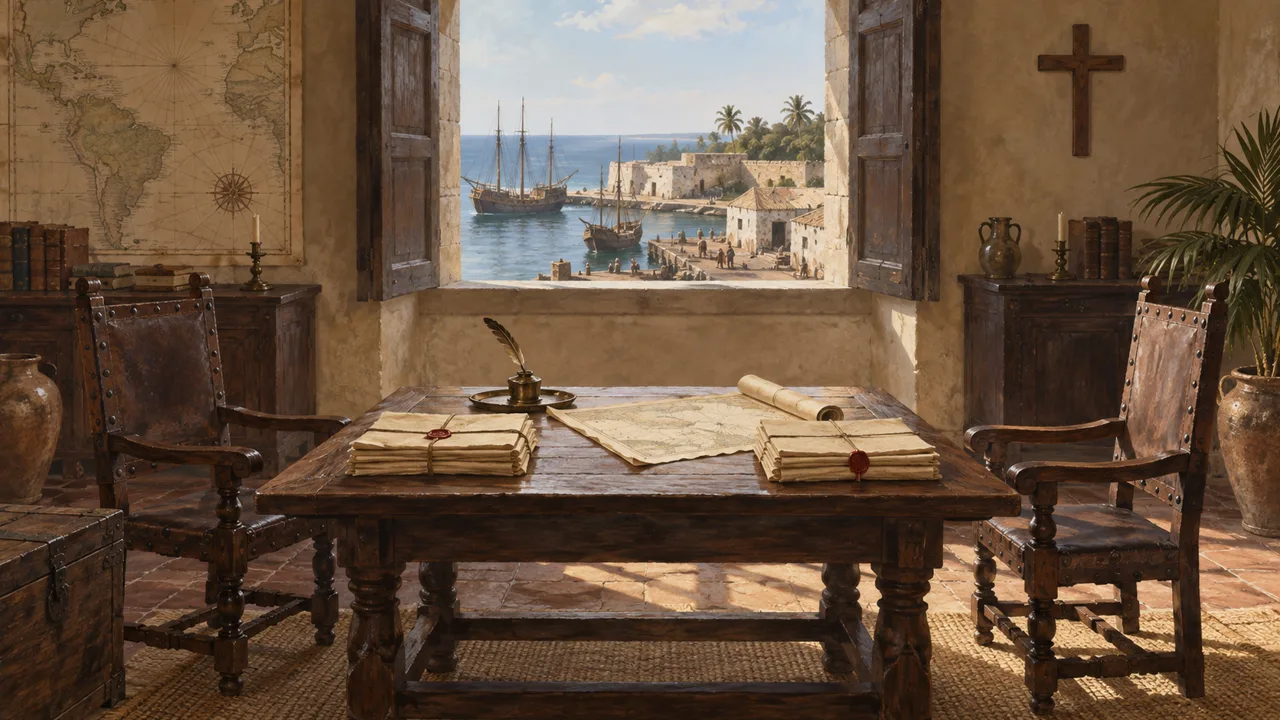
Diego Colón, Second Admiral: Privileges and Disputes over Authority
According to the source on the Columbian lawsuits, Diego Colón demanded that the king honor his father's privileges and status. The account of Ayllón presents him as the second admiral and describes his jurisdictional disputes with the judges of Santo Domingo.
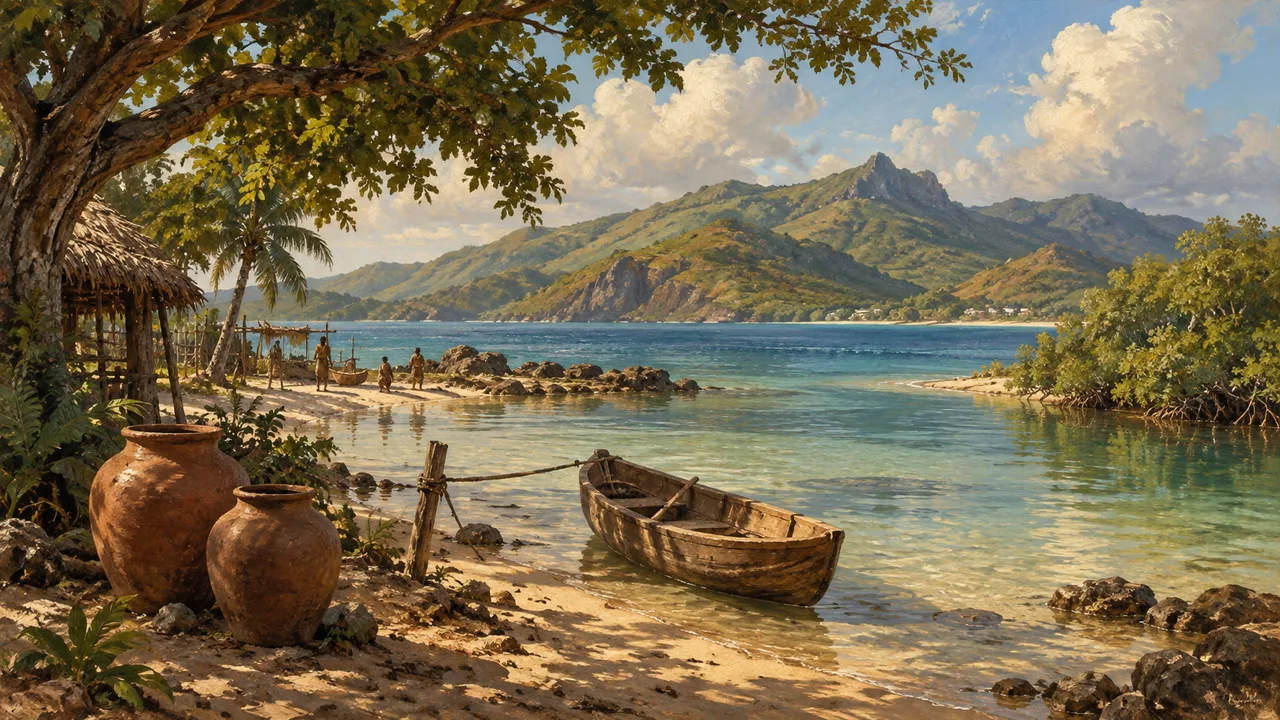
Why did Columbus name the island Margarita?
The passages credit Columbus with naming Margarita but do not explain why he chose the name. According to Las Casas, Columbus did not know that pearls grew in that small gulf when he named the island, a coincidence the author presents as an apparent act of guessing.
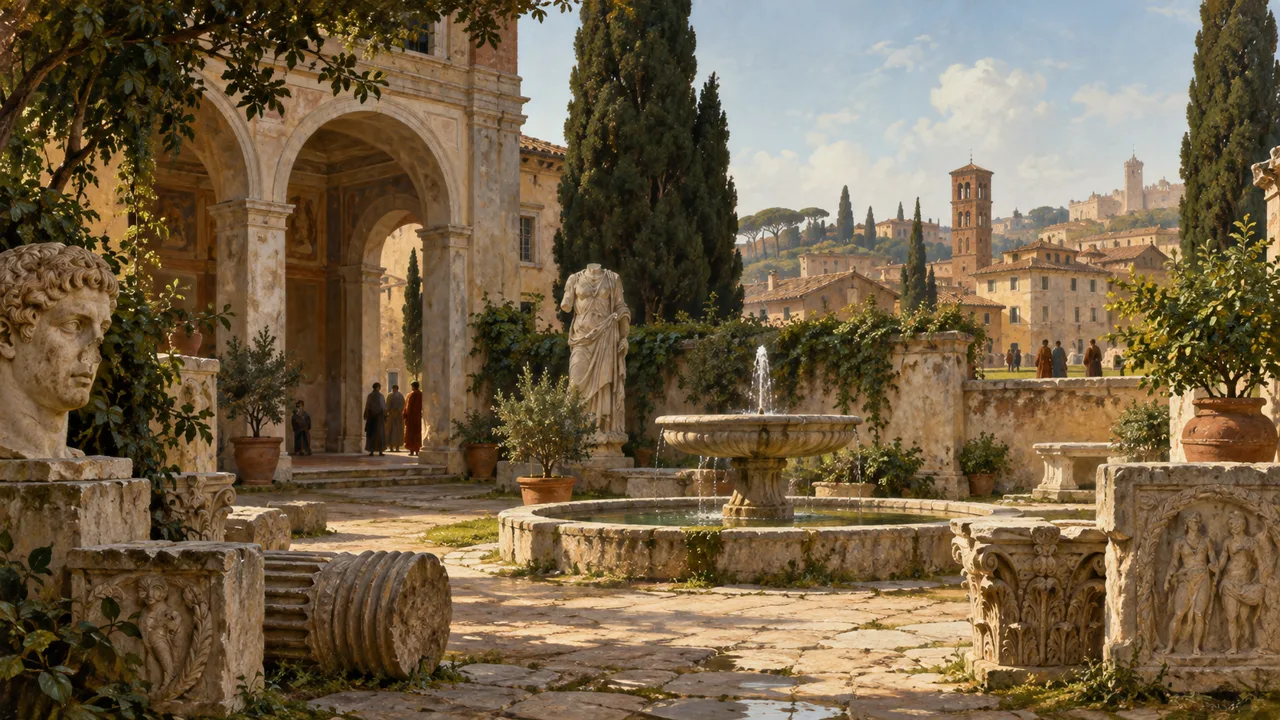
Rome Seen from the Americas: From a Plaza in 1519 to Potosí
According to Bernal Díaz, Cortés's soldiers who had been in Constantinople, Italy and Rome said they had never seen so well-ordered or crowded a plaza; the source places the context in the arrival on 8 November 1519. Other, unverified texts compare the mamaconas to Rome's vestals and call Potosí a "source of support for Rome."
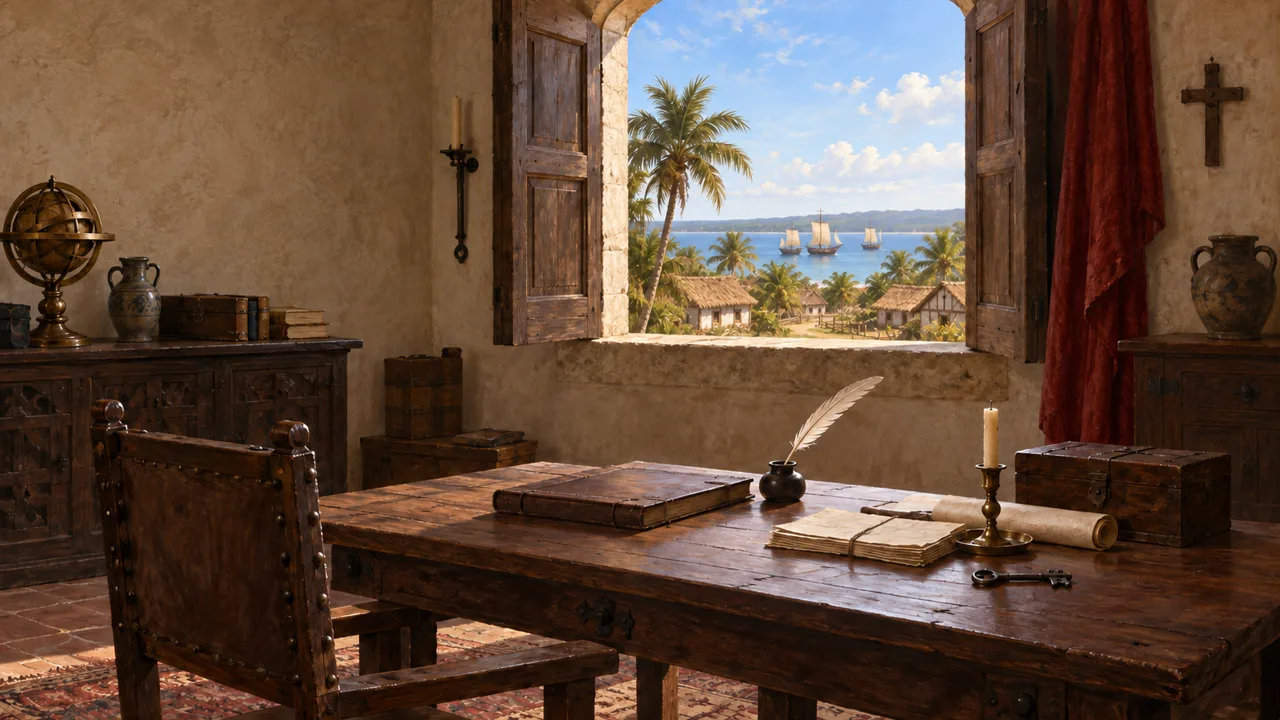
Ovando: Office, Labour, Pay and Slavery
According to Las Casas, Ovando was governor; many aboard his fleet were field workers meant for farming and mining, and all or most of the expedition's members were in the Crown's pay. The enslavement he recounts seems to contradict the freedom the instruction required, though the sources do not establish whether the clause covered the enslaved.
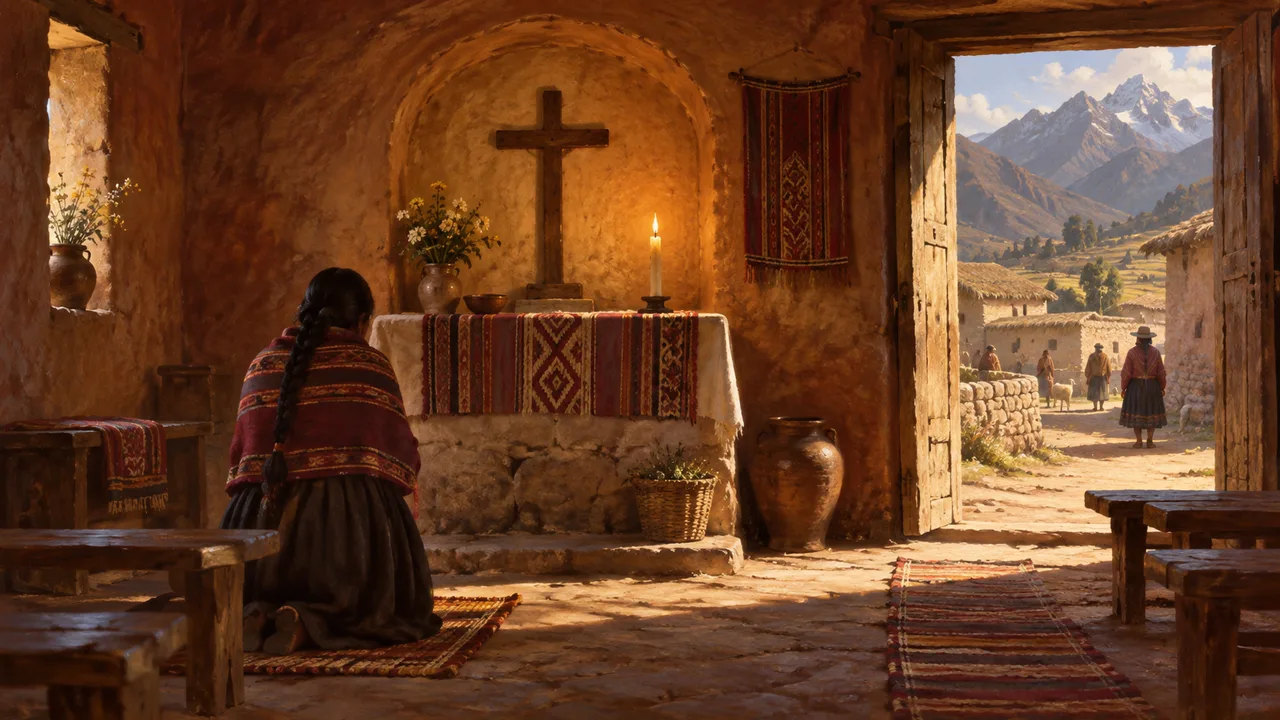
Jesus Christ in Guaman's Writings and in Charges Listed in a Record of Penitents
In his accounts, Guaman links Jesus Christ to the poor whose suffering he denounces. According to an excerpt, a record of penitents lists charges involving the name of Jesus and an omission in the creed. That record is not enough to prove that the conduct took place.
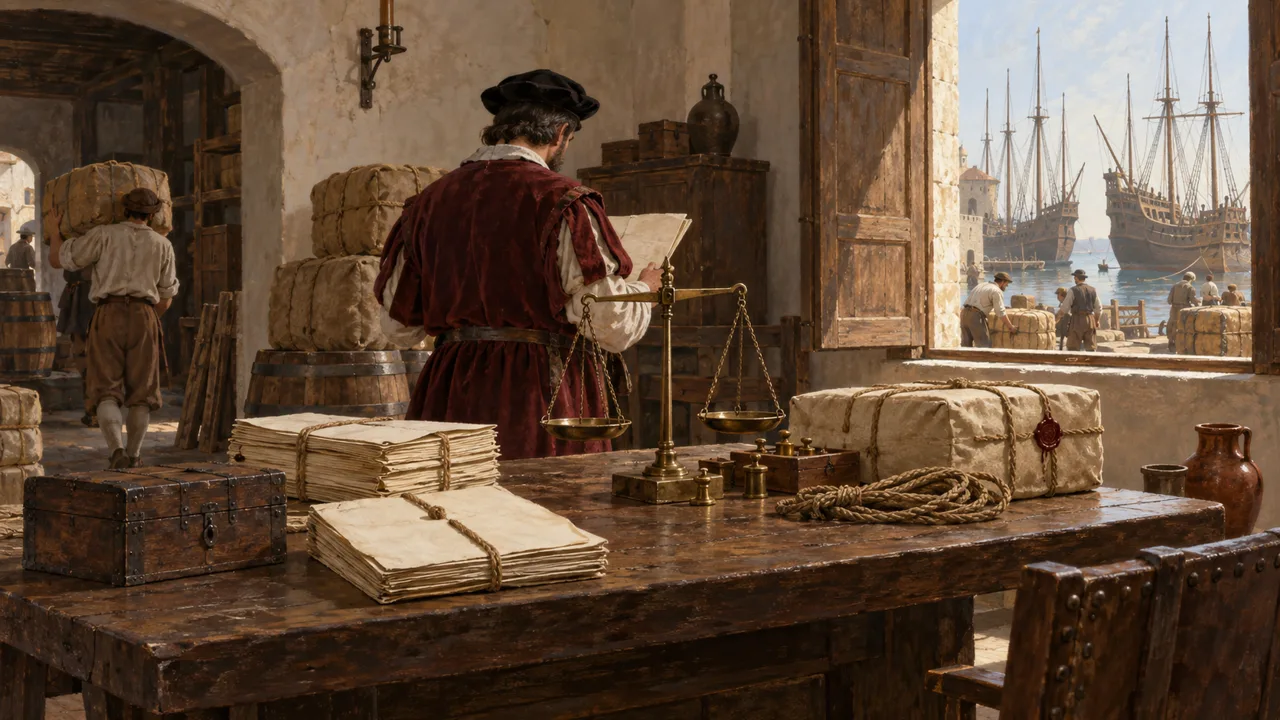
Treasurer, Comptroller, Factor and Overseer: Royal Treasury Officers in the Indies
The Royal Treasury had four officers in the Indies: treasurer, comptroller, factor and overseer, appointed individually by the king. According to the account of their duties, which awaits verification, these officers were collectively responsible for revenue collection.
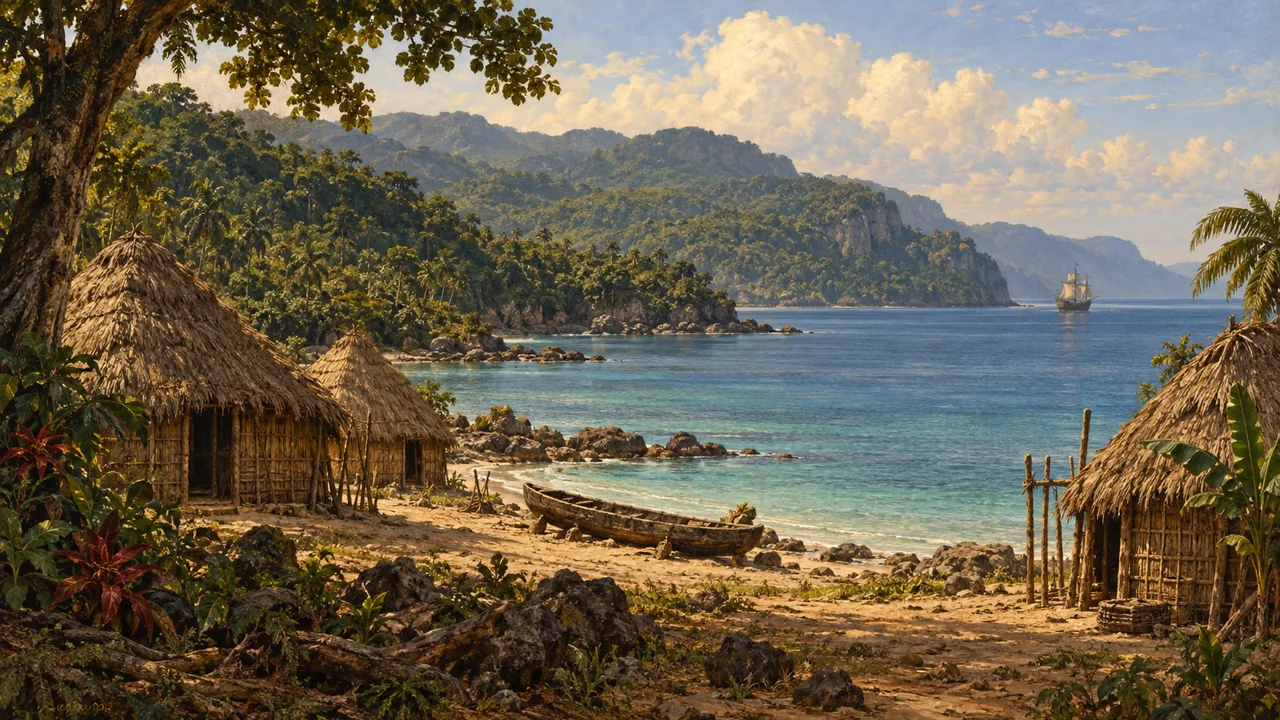
Jamaica: from the island of Santiago to the charge of depopulation
According to the quoted fragments, Juan de Esquivel's men destroyed and depopulated the island of Jamaica. A passage that mentions 1511 describes its Indigenous people perishing "every day and every hour." These texts give no population figures and do not identify any particular disease.


