
With their sources in plain view
Stories
Leyenda Dorada stories told with sources: every claim with its source.
72 articles
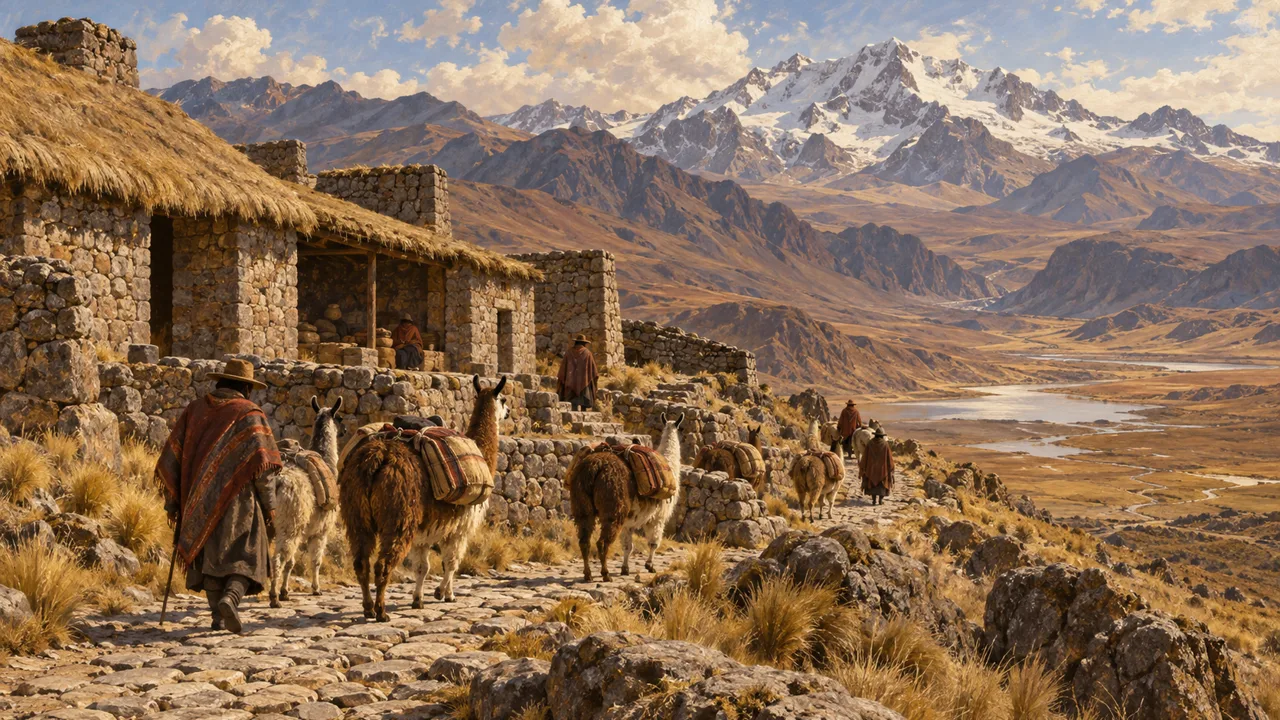
Charcas, mines and roads: silver and an episode of opposition to the Crown
The historical interpretation provided presents silver as the driving force behind the colonization of Charcas. Accounts that have not yet been checked describe mines near the town of Plata and roads of tambos through Charcas. According to one of them, Caruajal took soldiers and money from Charcas to act against the Crown.
When Diego de Almagro the Elder Died: 1538 and Guaman Poma’s 1541
Diego de Almagro the elder was executed in 1538 on Hernando Pizarro’s order, according to the chronology of Chile’s National Library. The page of Guaman Poma with the passage dated 1541 carries an amended heading that swaps aggressor and victim. Reading that page helps distinguish Almagro the elder from his son’s generation.
Santa María in three sources: a nao, an oratory and an invocation
Santa María is the name of a nao. Images of Saint Mary also appear in an oratory prescribed for Indigenous people. According to an unverified account, Hernando Pizarro and Sebastián de Balcázar invoked her at the baths of Cajamarca.
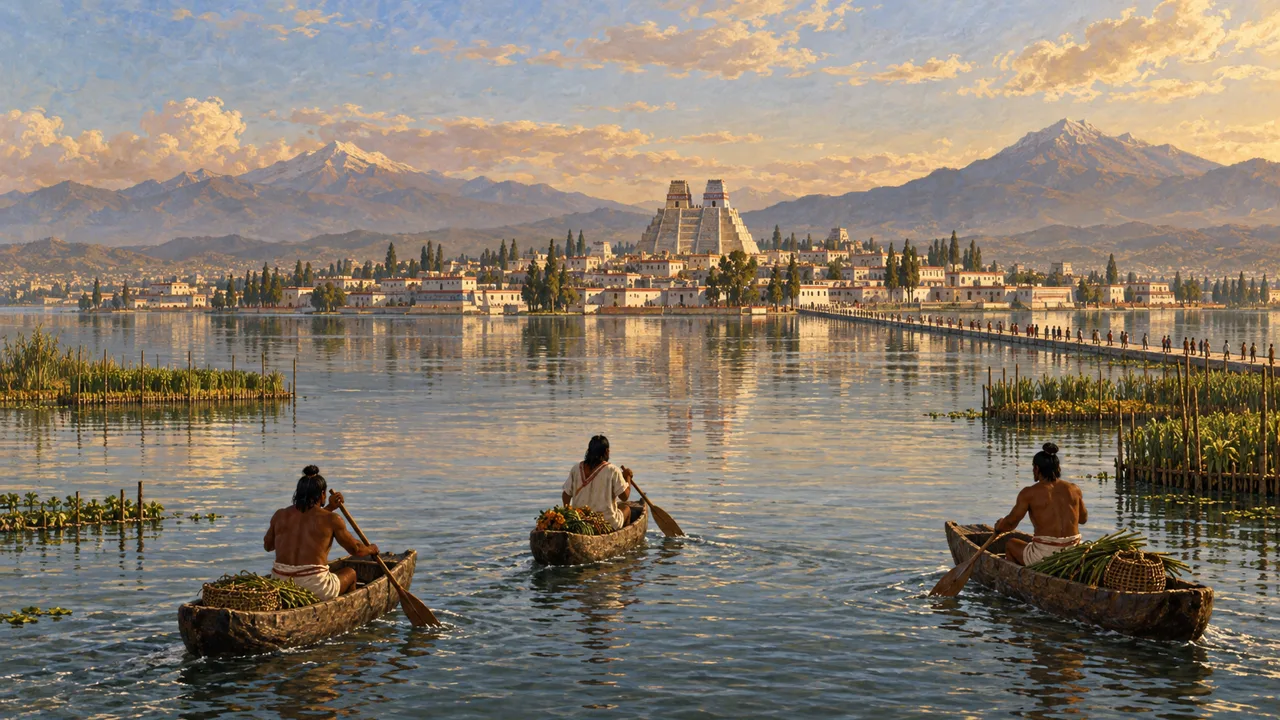
'Tenustitlan, Méjico': the name of a city between power and the lake
'Tenustitlan, Méjico' is the period form of the name Tenochtitlan, the seat of Moctezuma's Mexica power. Bernal Díaz dates the Spanish entry into the city to 8 November 1519. A chronicle passage also places it beside the lake, but these texts do not explain where the name comes from.
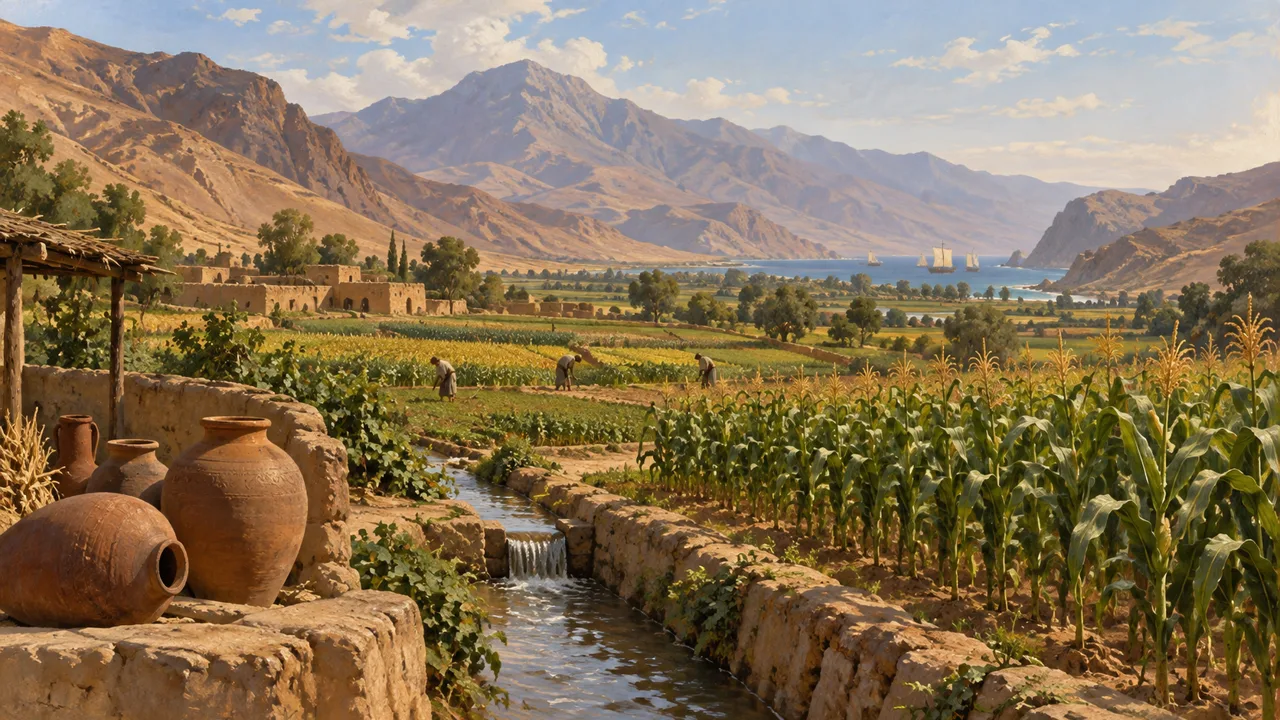
Peru in the Sources: A Journey Through Ports, Cities and Valleys
According to unverified accounts, the kingdom of Peru stretched more than seven hundred leagues, from Quito to the town of La Plata. These sources also describe voyages from Panama to its ports, the transport of merchandise from Nombre de Dios along the Chagre River, and customs involving chicha and children's names.
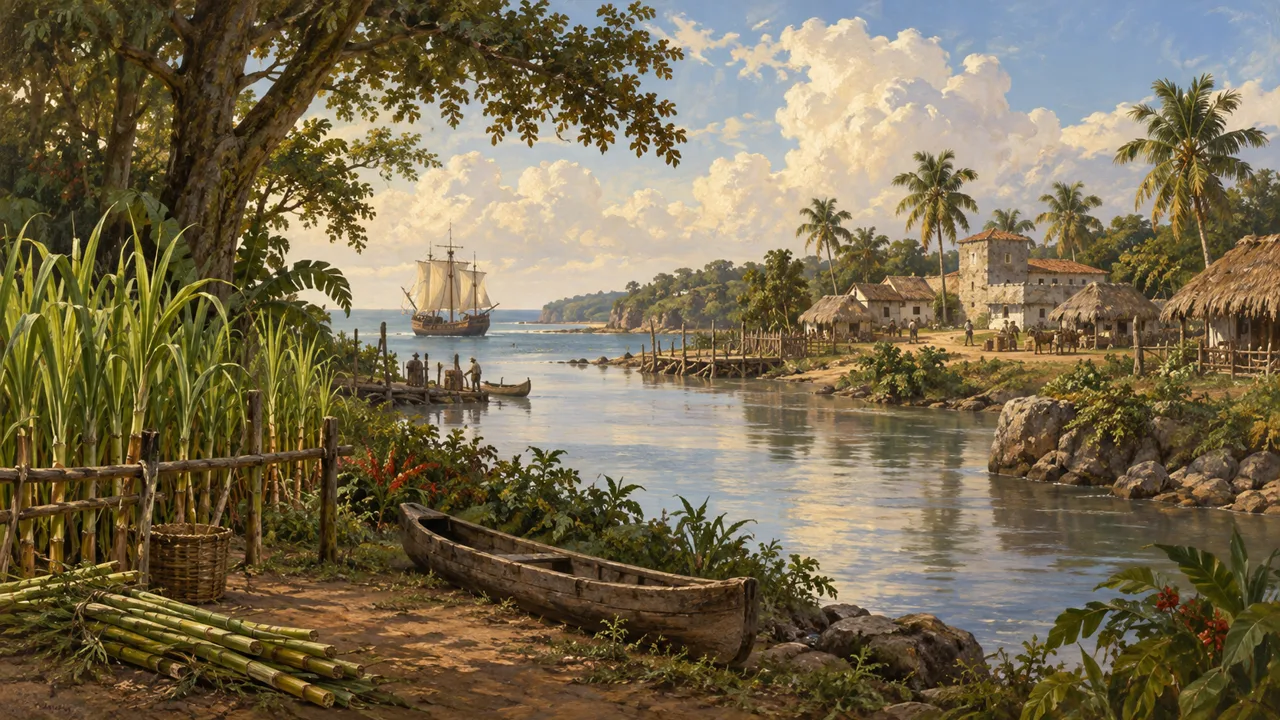
Santo Domingo: A Geography of Voyages, Sugar and Jurisdictions
The passages present Santo Domingo as a departure point for voyages and a setting for sugar production and jurisdictional disputes. This geography draws on accounts by Bernal Díaz and Las Casas and passages about Vellosa and Diego Columbus, without describing the terrain or defining the territory.
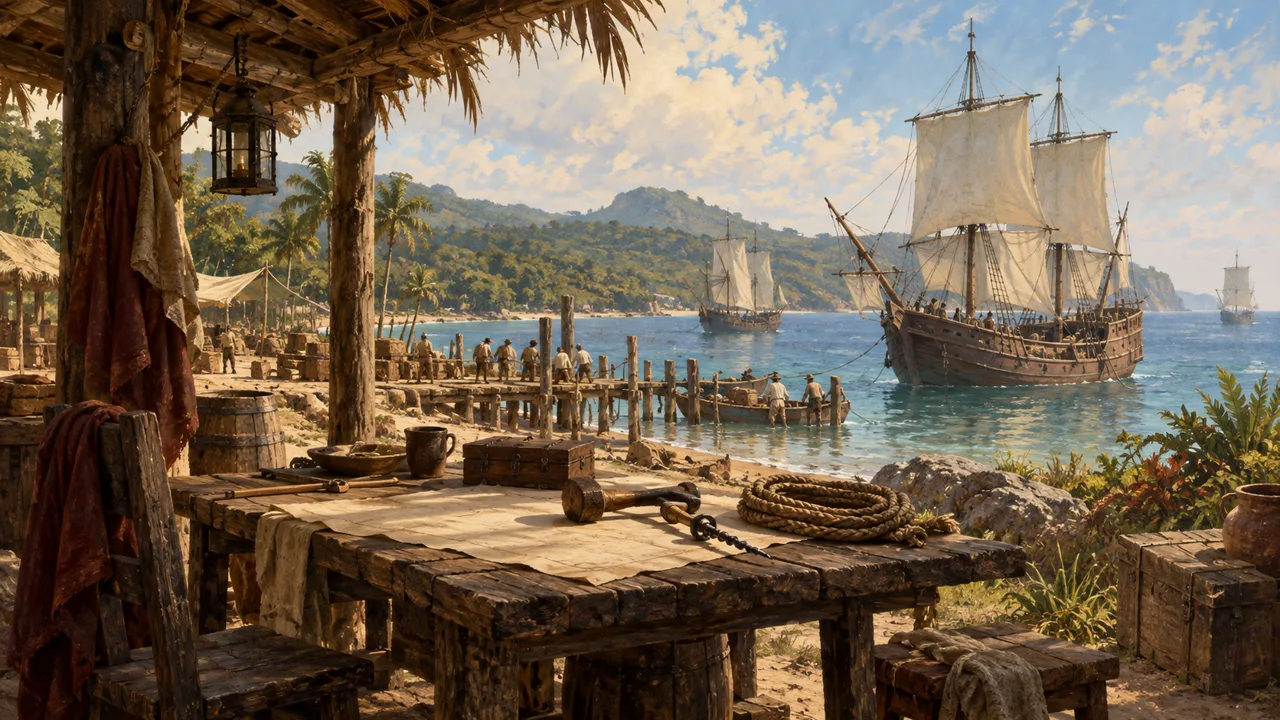
Cortés through Occupations: Command, Interpreters and Ships
Cortés was captain general and chief magistrate, and Jerónimo de Aguilar and doña Marina were his interpreters. According to an unverified account by Las Casas, he asked ships' masters and boatswains to bore holes in the ships. Another unverified passage, by an unidentified author, names a musician and a miner as former owners of the horse Arriero.
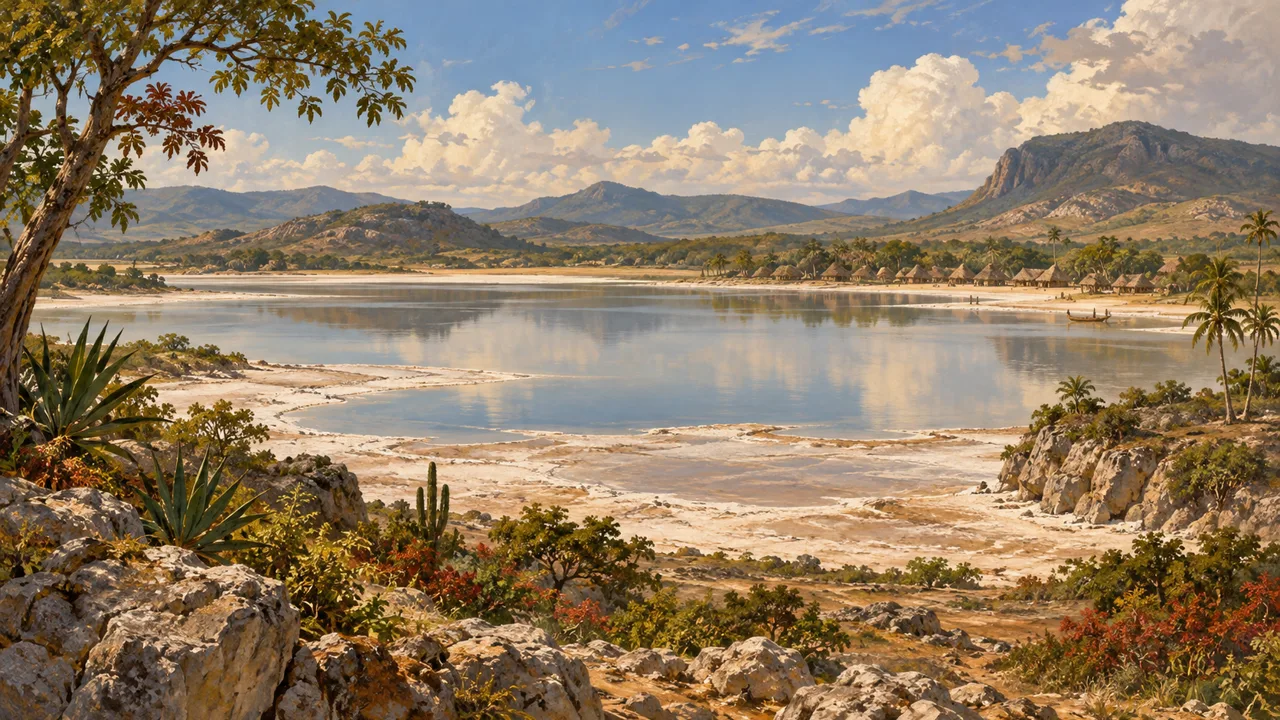
Xaraguá: Behechio, Anacaona and Accounts of Colonial Violence
Behechio ruled Xaraguá, in Hispaniola. According to a passage awaiting verification, Anacaona lived there, where, as a lady, she was as honored and feared as Behechio himself. Las Casas states that Ovando condemned those who fled the Xaraguá massacre to slavery and that one of them was given to him.
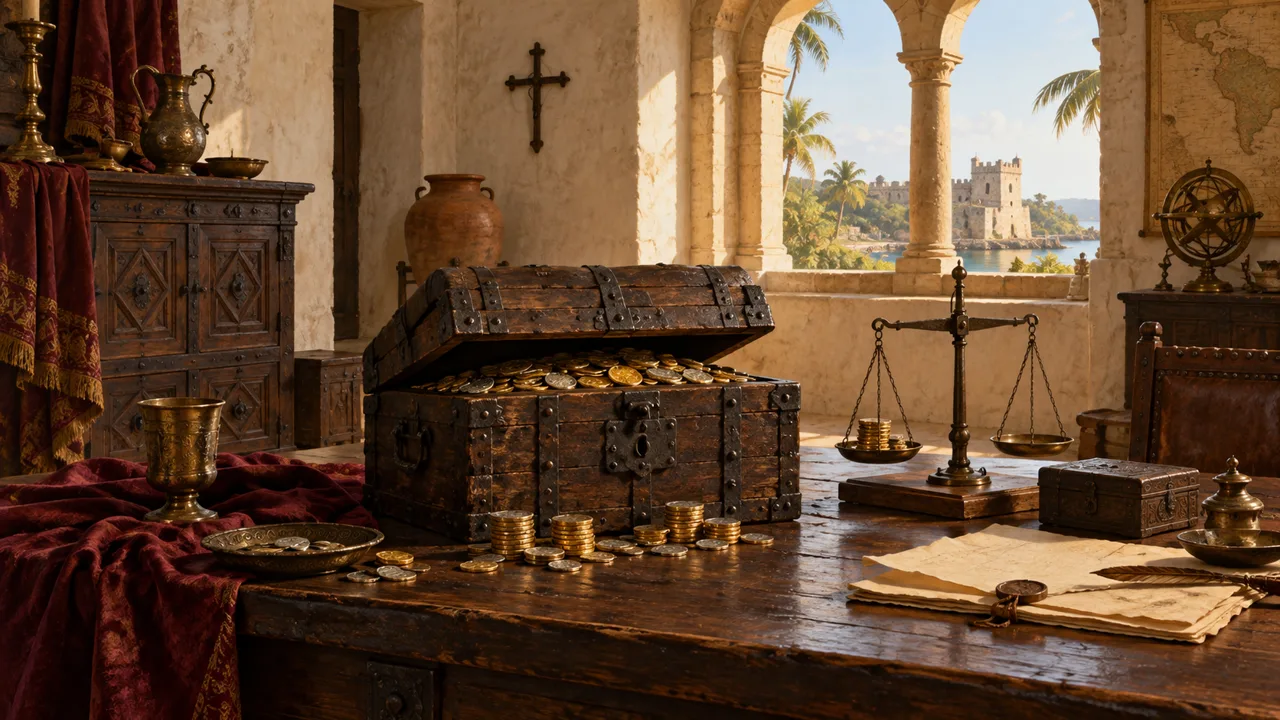
The Treasurer Among the Royal Treasury Officers in the Indies
The treasurer was one of four Royal Treasury officers in the Indies, alongside the comptroller, factor and overseer. According to a documentary source, the king established these offices to collect Royal Treasury revenue. The cited passages do not distinguish the treasurer’s duties from this shared work.
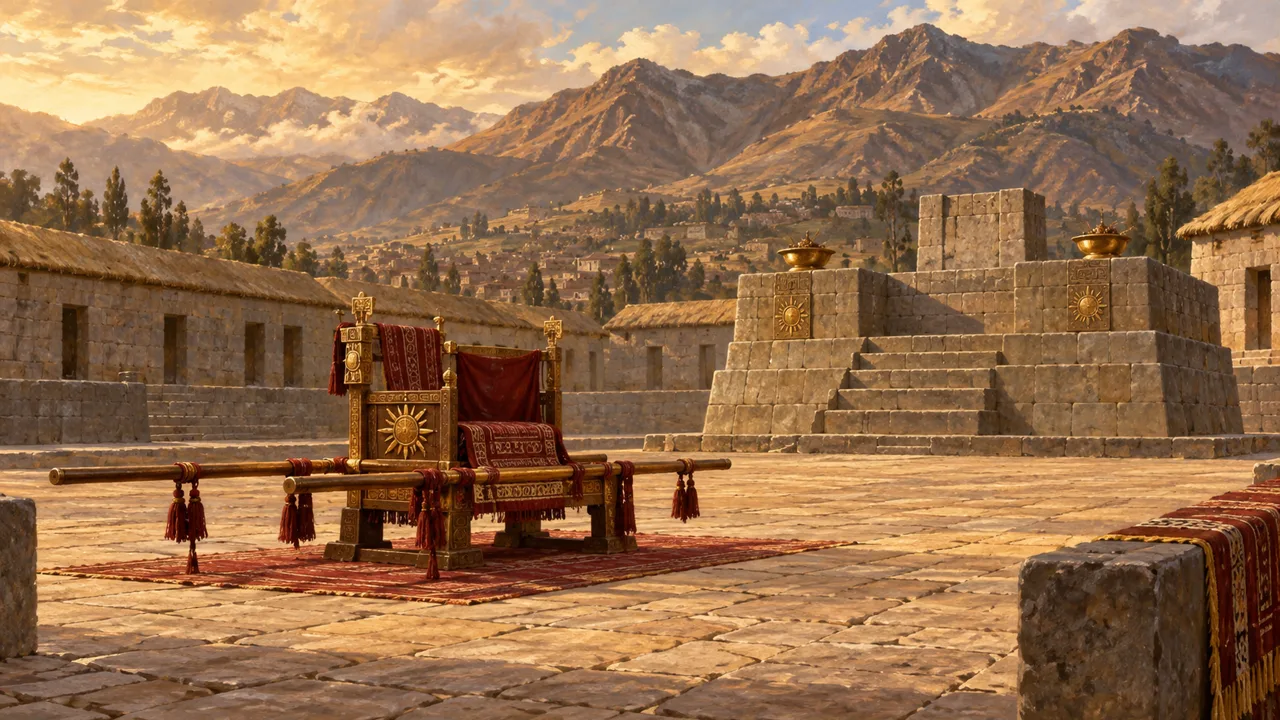
Atahualpa Inca in Cajamarca: Capture, Loss of His Reign and Death
According to the narrative, Atahualpa Inca was captured in Cajamarca; the table adds that he lost his reign. Two itinerary extracts place his capture and death there. Guaman’s tambo map attributes both to don Francisco Pizarro.

The Comptroller Among the Four Royal Treasury Officers in the Indies
The comptroller was one of the four Royal Treasury officers in the Indies, alongside the treasurer, factor and overseer, all appointed individually by the King. This list places the office in context, but establishes no hierarchy among the four and gives no details of the comptroller’s everyday duties.
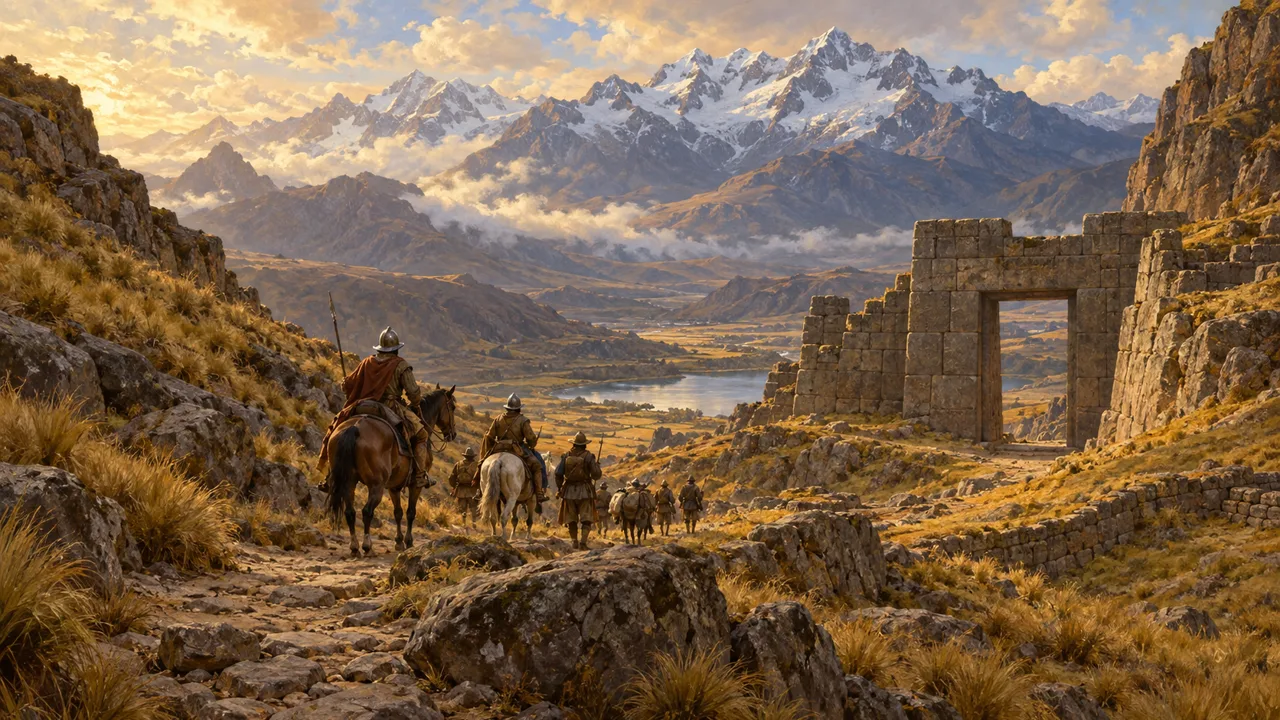
Alvarado in Accounts of the Conquest: From Cuba to Military References
These fragments cannot establish whether the references to Alvarado concern the same person or reconstruct his role in the conquest. Bernal Díaz places him among the encomenderos present in Santiago de Cuba; other accounts, awaiting verification, mention a marshal Alvarado and an Alvarado sentenced to death.


