
With their sources in plain view
Stories
Leyenda Dorada stories told with sources: every claim with its source.
72 articles
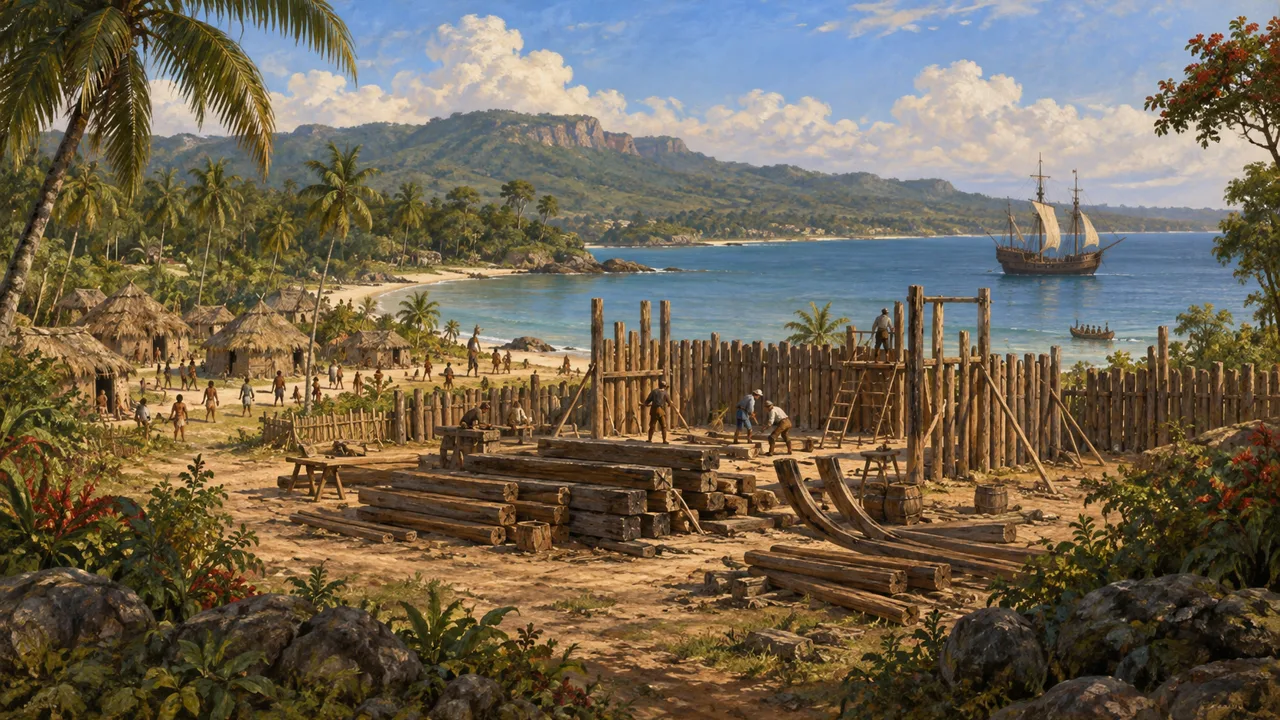
Guacanagarí and His People: Marién and La Navidad
Marién, on Hispaniola’s Vega Real, was Guacanagarí’s realm, but the passages neither list its settlements nor allow its population to be estimated. They tentatively attribute extensive control in the north to him. According to an unverified account, his vassals helped build the fortress of La Navidad in ten days.
Officeholders in New Spain: An Audiencia Order and Government amid Factions
The Royal Audiencia ordered the cities and towns of New Spain to send procurators with documentation about the Indigenous people of each province to carry out the perpetual repartimiento. According to an account awaiting verification, the factor and overseer took office as governors amid factions, while the treasurer and accountant were imprisoned.
The 1497 Ducat in Maravedís: The Official Rate of 375
According to Ventura and Ramos González, a ducat (excelente de la granada) was worth 375 maravedís under the Medina del Campo pragmatic of 13 June 1497, and an order that December applies that parity. Lea gave 374 in 1906, a different figure. The 375 parity applies to one ducat, not its multiples, nor is it a conversion into present-day money.
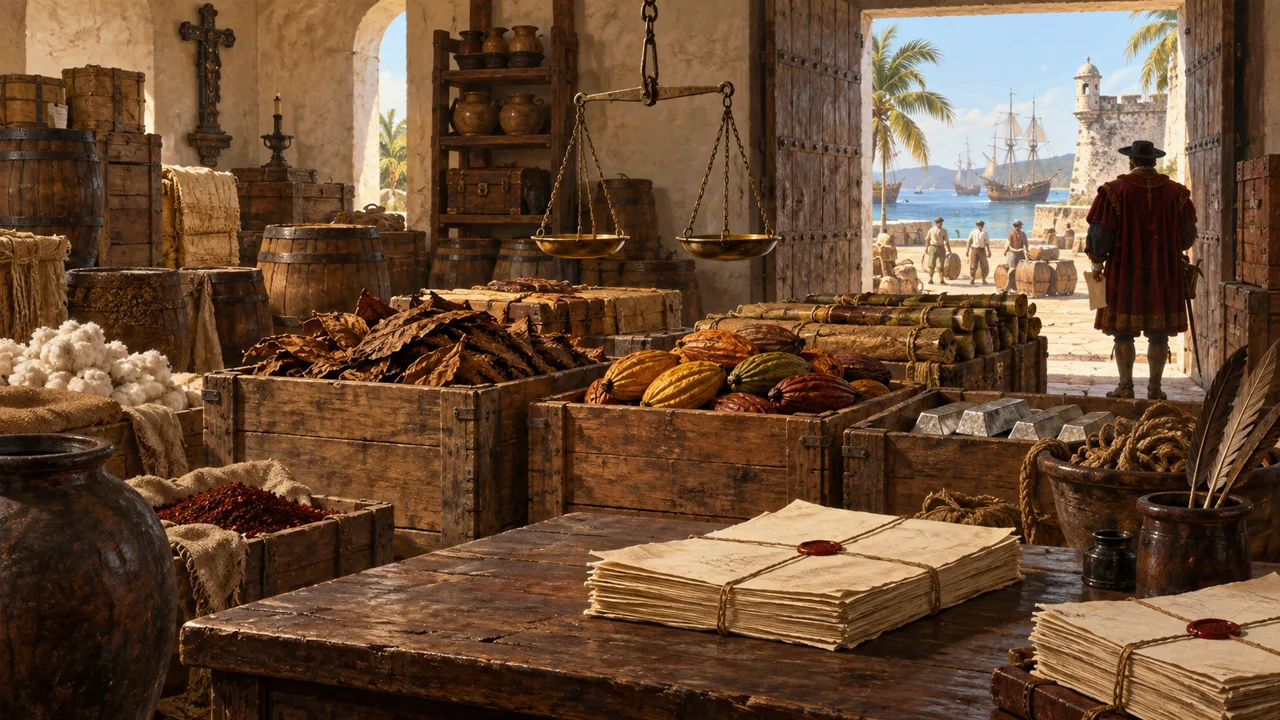
The Overseer Among the Four Royal Treasury Officers
The overseer was one of the four Royal Treasury officers in the Indies, alongside the treasurer, comptroller and factor, each appointed individually by the King. According to the list attributed to Las Casas, still awaiting verification, Diego Marque held that office, although the passage does not describe his duties.
The Catholic Monarchs and the Church: Zaragoza and the Bulls of 1493
Two sources awaiting verification suggest links between the Catholic Monarchs and religious authority, without proving a single programme. According to the memorial register, they ordered the establishment of the tribunal of the faith in Zaragoza in 1484; an interpretation of the bulls of 1493 links sovereignty and evangelization.
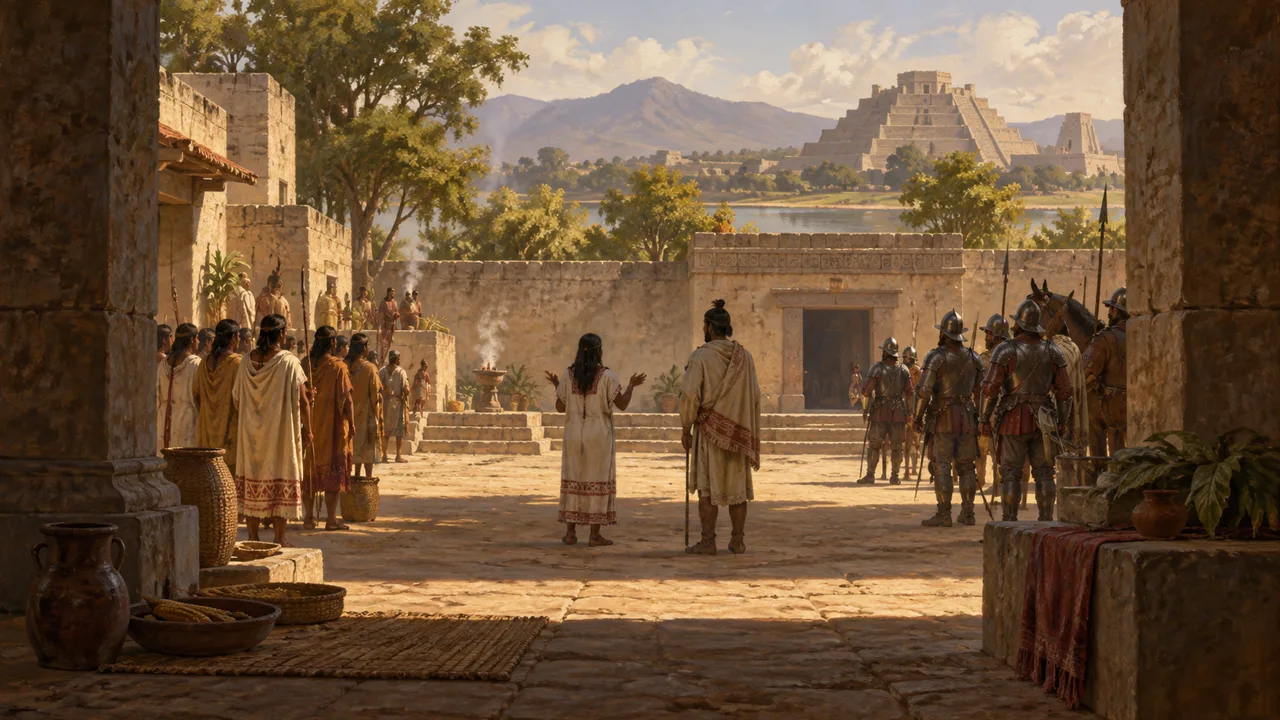
Malinche and the role of the “tongue”: interpreting for Cortés
Malinche, identified as doña Marina, served alongside Jerónimo de Aguilar as an interpreter for Cortés. The fact-checked study considers their role as “tongues” indispensable.
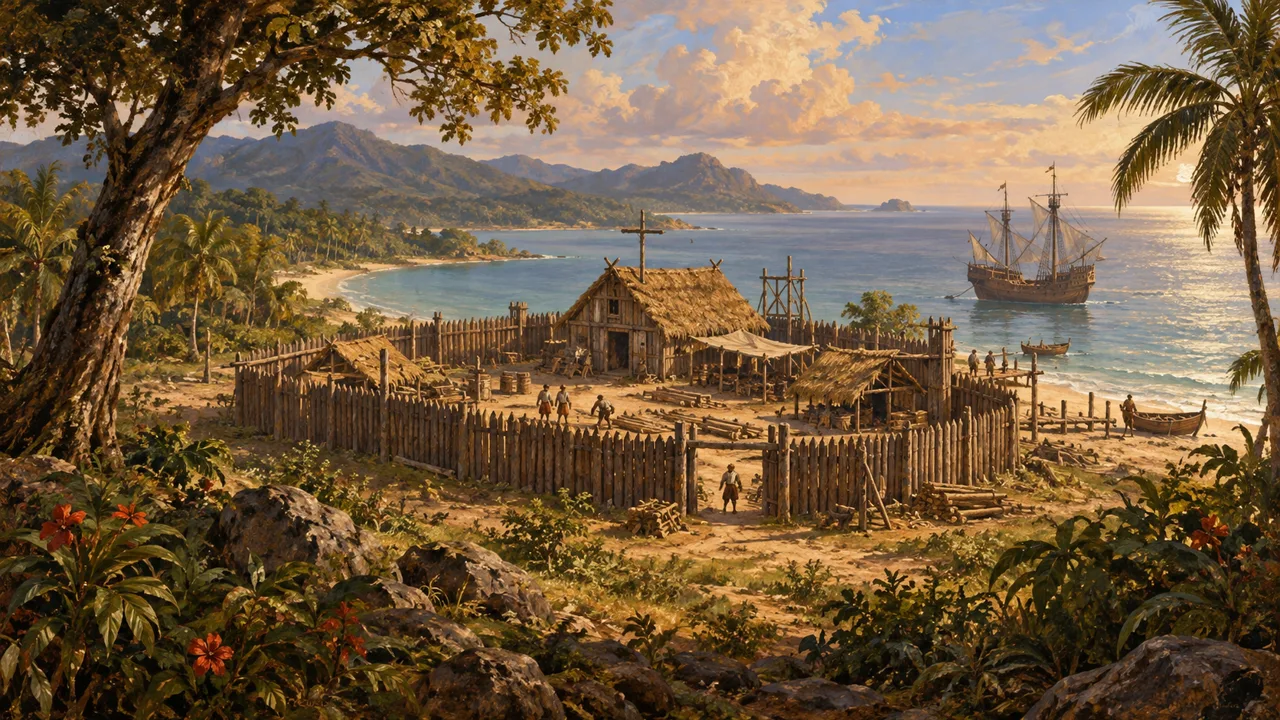
La Navidad in Guacanagarí’s Realm: A Fortress Between Accounts and Silences
The fortress of La Navidad stood in Marién, Guacanagarí’s realm on Hispaniola. According to unverified accounts, 39 men were left there, and disputes and discoveries of bodies followed, but the excerpts do not adequately explain the settlement’s fate. Nor do they document Christmas celebrations there.
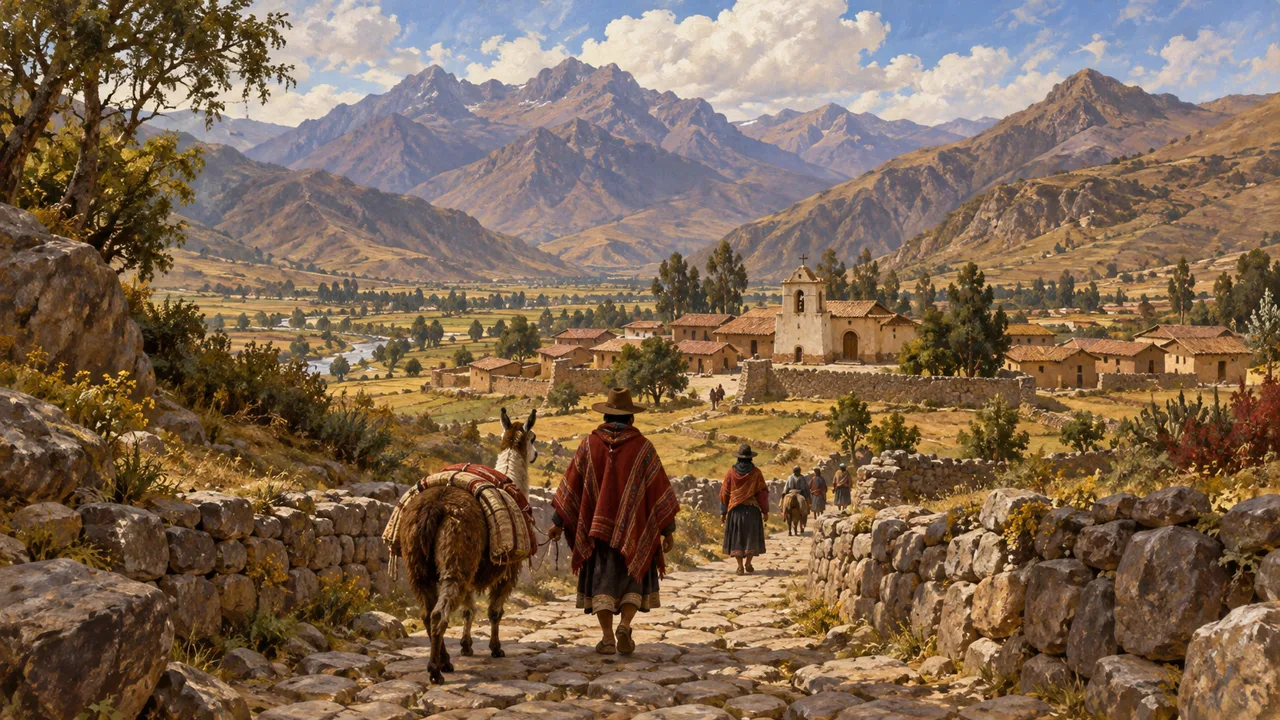
Guamanga, “Another Sodom”: An Accusation About Convents and Franciscans
The prologue condemns the poverty of convents and the practice of forcing Franciscan friars to fetch water and firewood barefoot, in an accusation that includes Guamanga, Quito and Cuzco under the phrase “Another Sodom”. This accusation, not verified here, is insufficient to reconstruct religious life in Guamanga.
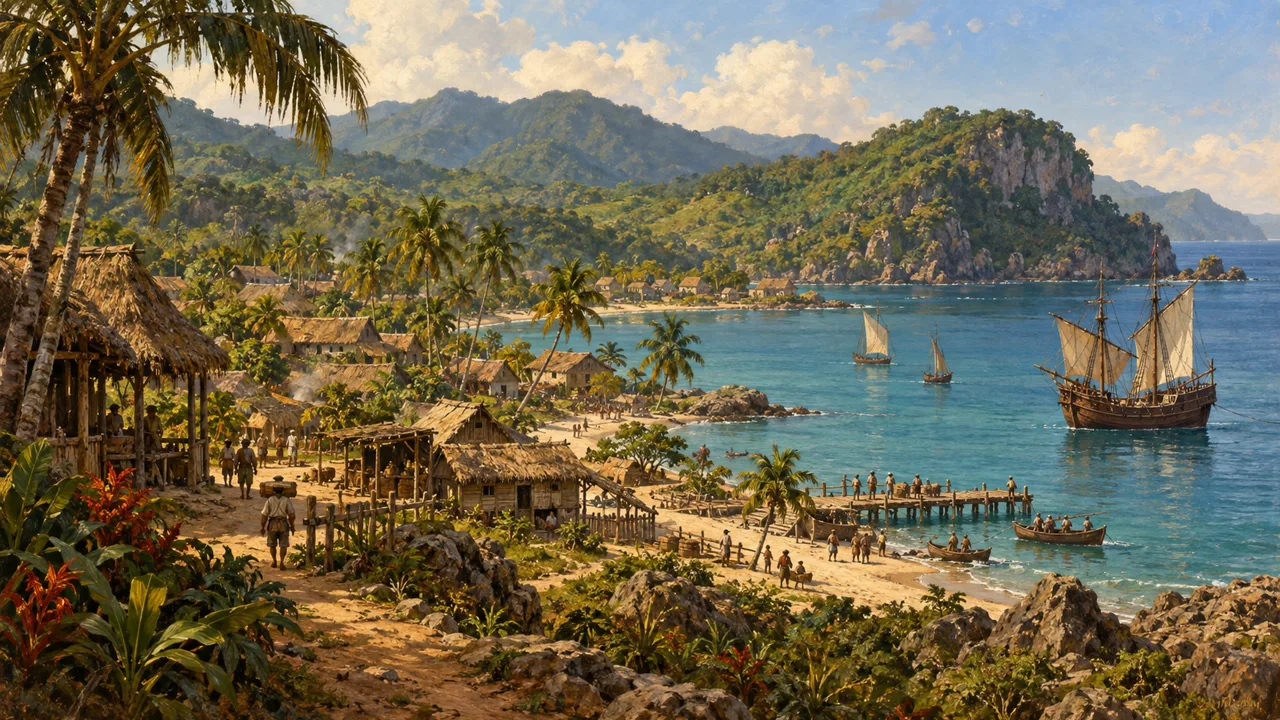
Velázquez in Cuba: Santiago and Baracoa
Bernal Díaz writes that Velázquez resided in Santiago de Cuba, where Grijalva, Alvarado, Montejo and Ávila were present. According to Las Casas, Velázquez settled Spanish residents in Baracoa and allotted Indigenous people from Maycí and Bayatiquirí to those residents, himself and his father-in-law, the treasurer.
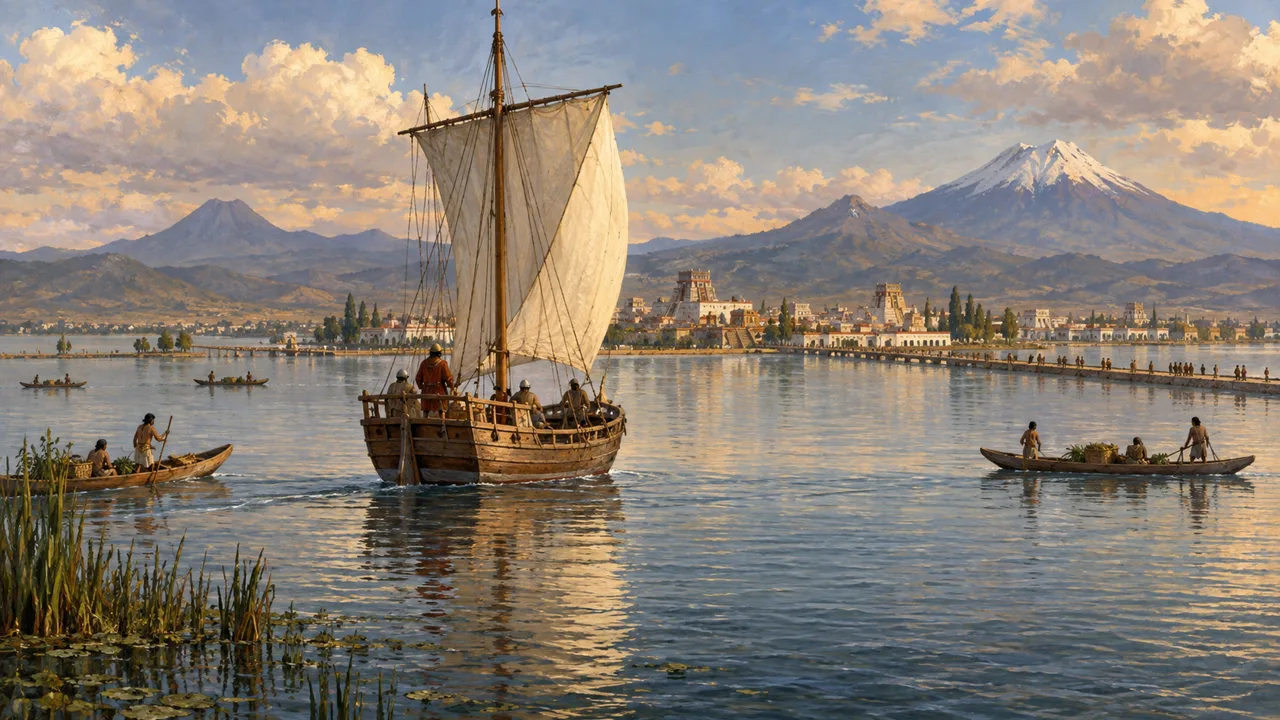
Mexico-Tenochtitlan from the Water: The Lake and Cortés’s Ships
In 1519, Mexico-Tenochtitlan stood on an island in Lake Texcoco, connected to the mainland by causeways. According to one of the sources, still unverified, Cortés ordered brigantines built to sail on the lake of Mexico. The cited sources do not detail routes or maneuvers; the city’s island setting in 1492 is an inference.
Hispaniola: An Entry Said to Be Forbidden and Ports Yet to Be Identified
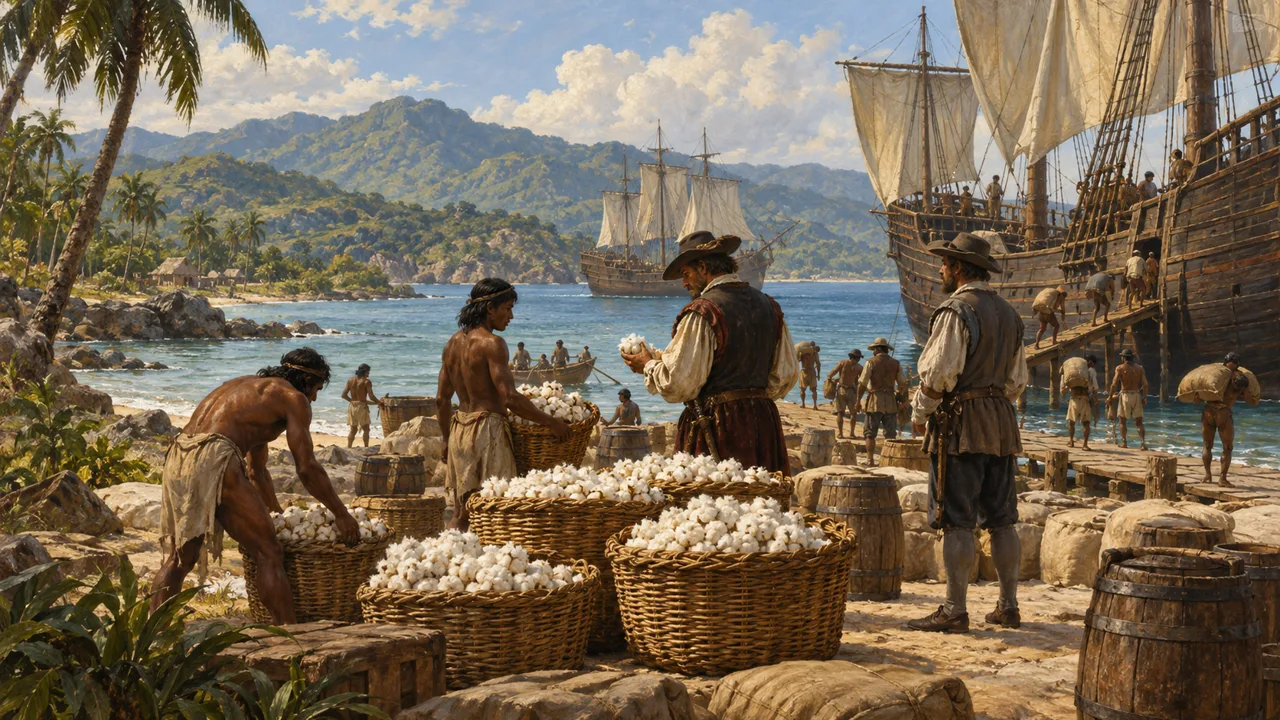
The unverified fragments record an alleged ban and royal plans to supply and settle Hispaniola, but they do not allow its ports to be identified or show that the shipments arrived. Another unverified account places a landing at the port of Palmas, in Cuba.
Behechio, Lord of Xaraguá: Anacaona and Roldán's Request
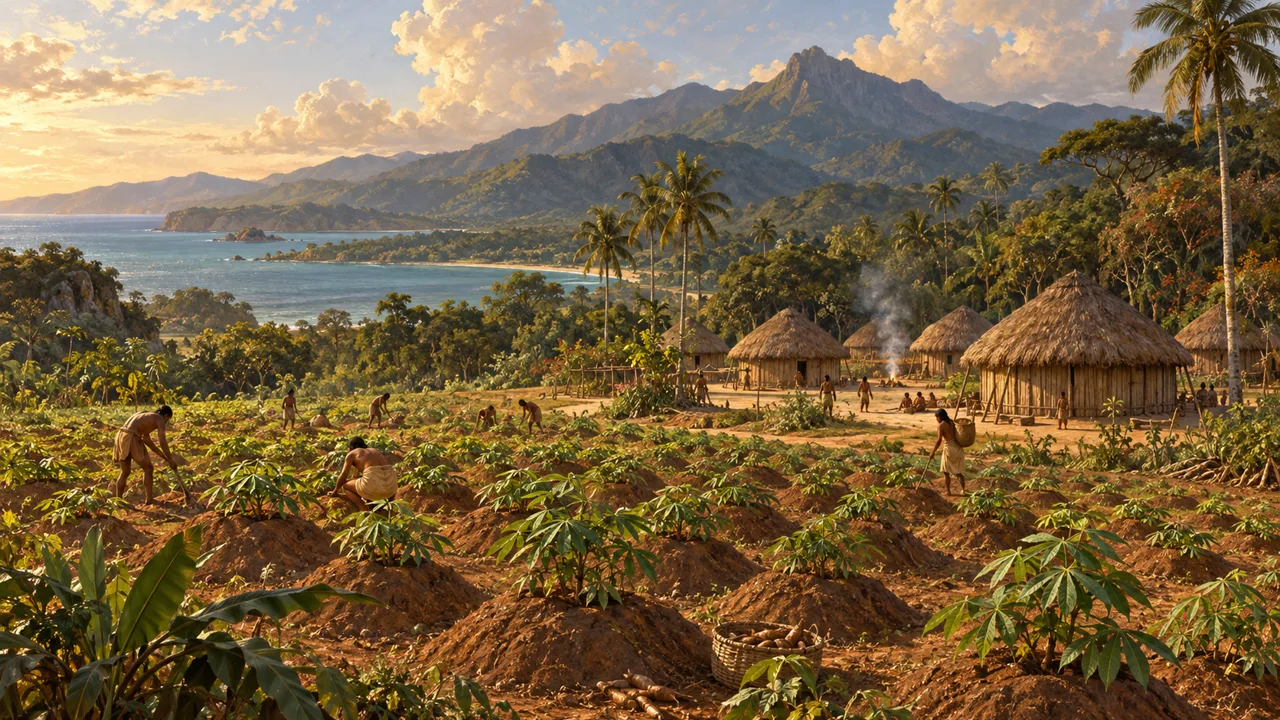
Behechio was lord of Xaraguá around 1496–1498. Unverified accounts portray Anacaona as just as respected and feared as he was and state that Roldán asked the Admiral to put Behechio in charge of cultivating his fields. In another unverified passage, Las Casas condemned Behechio's placement in Roldán's service.


