
With their sources in plain view
Stories
Leyenda Dorada stories told with sources: every claim with its source.
72 articles
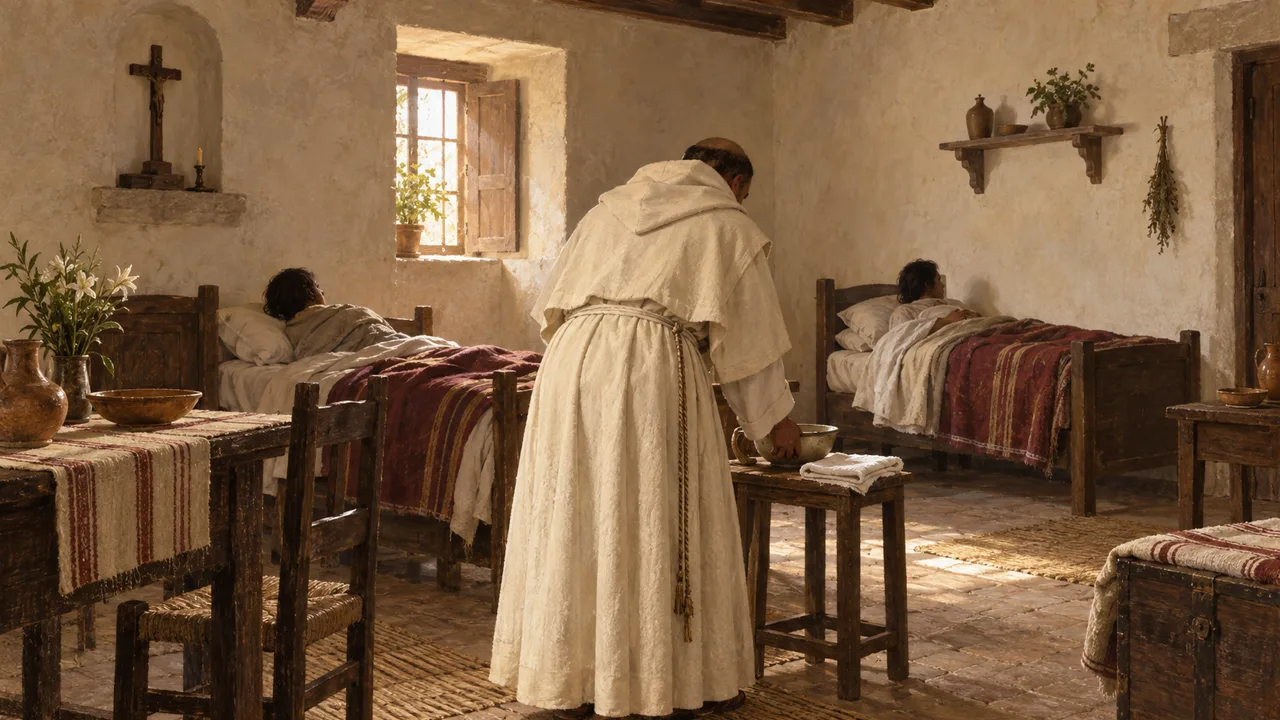
Fray Bartolomé de Olmedo and the Testimony of a Hospital in Mexico
According to an unverified passage, Fray Bartolomé de Olmedo was the expedition's Mercedarian friar and said Mass. A testimony, also unverified, states that in Mexico he gathered the sick Indians into a hospital and cared for them with charity.
Santiago and the yllapa: a name between lightning and battle
In the rite Guaman Poma describes, the yllapa, the lightning, was called Santiago and was given coca, food and chicha. People also fasted from salt and kept a night's vigil. Another passage mentions sacrifices to the rayo Santiago. Neither text explains when or how the link between the name and the lightning began.
Caonabo: Power, Prison and a Death on the Voyage to Spain
The accounts present Caonabo as lord of the Maguana, married to Anacaona and served by a captain-general. According to those accounts, he was captured with many of his principal men and died a few days after setting sail for Spain.
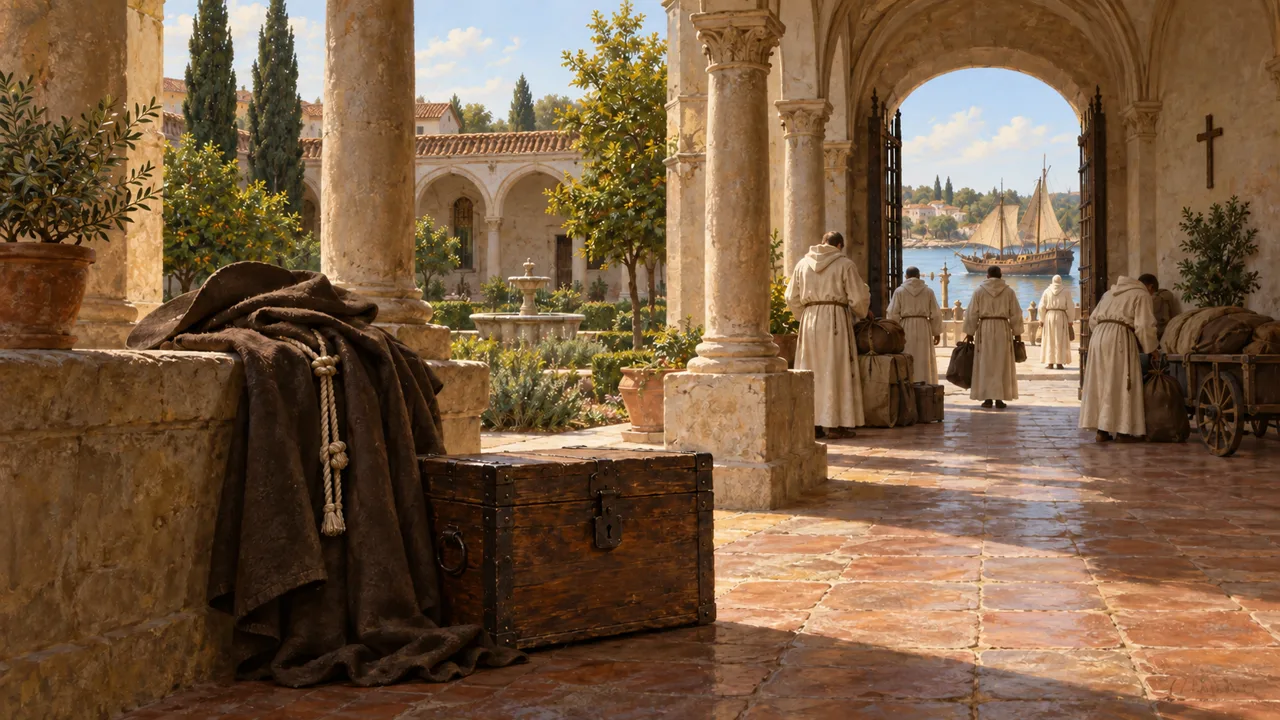
How do the sources connect Seville with churchmen?
The sources connect Seville with several churchmen. Ferrán Martínez, archdeacon of Écija, preached against the Jews from the city. According to other accounts, the officers of the Contratación dispatched the Jeronymite fathers, and Columbus asked the Monarchs to keep the Seville officers from obstructing the affairs of the Indies, with Fonseca as his main target.
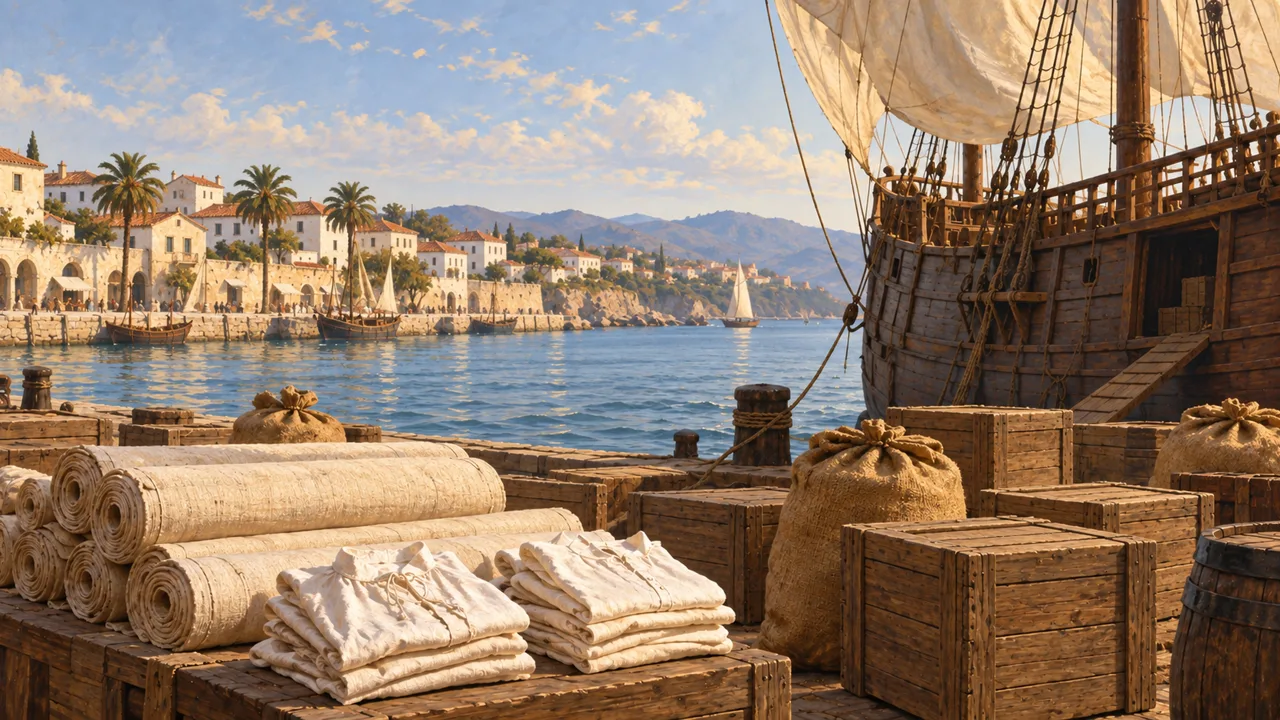
Castile and the Conquest: Freedom Decreed, Abuses Denounced
The instruction to Ovando required freedom and protection for the island's Indigenous people, while Guaman denounced the mistreatment of Indigenous guides. According to Las Casas, 500 unjustly enslaved Indigenous people were carried to Castile aboard Antonio de Torres's four ships. These excerpts allow us to contrast orders and complaints, but not to measure how widely the orders were obeyed.
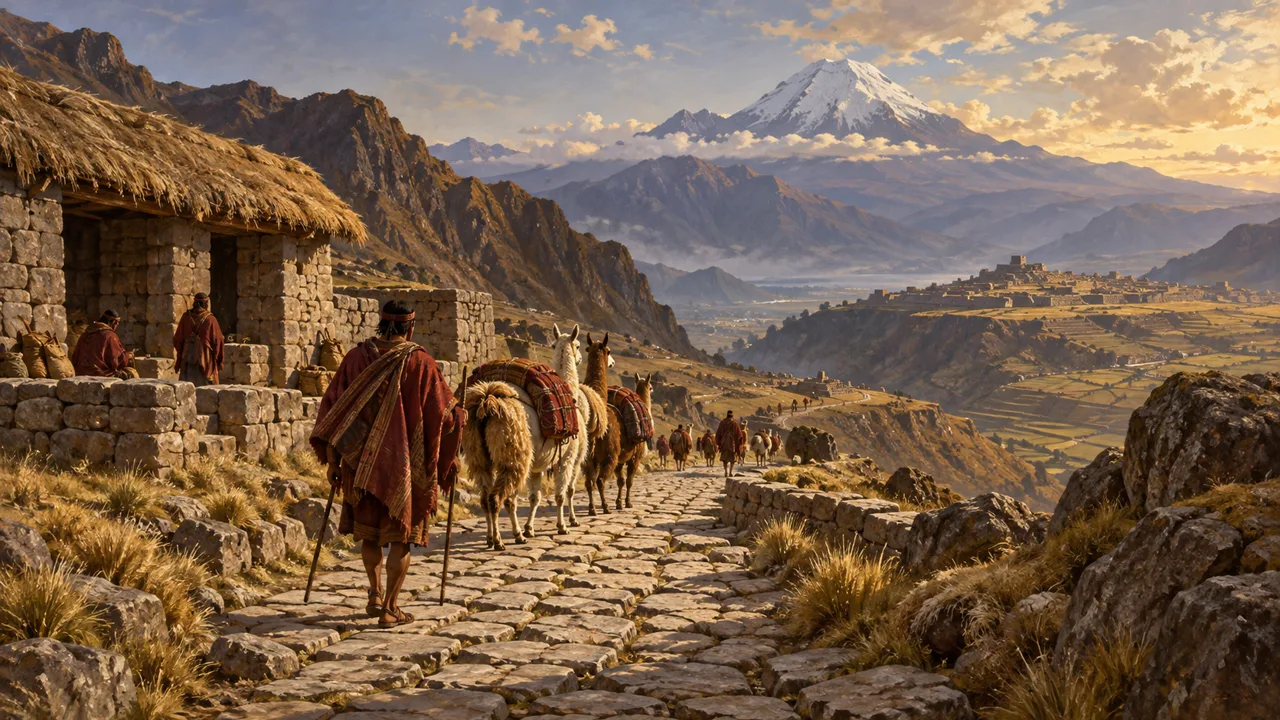
Quito and the plan for a “new Cuzco”: a conquest in fragments
A passage about Atahualpa says captains who served with Huayna Capac talked of building a "new Cuzco" in Quito. Other fragments say the city stood for a while at Riobamba and call Sebastián de Belalcázar Pizarro's lieutenant-general. None of this has been checked, and it doesn't confirm a full chronology or that the plan was carried out.
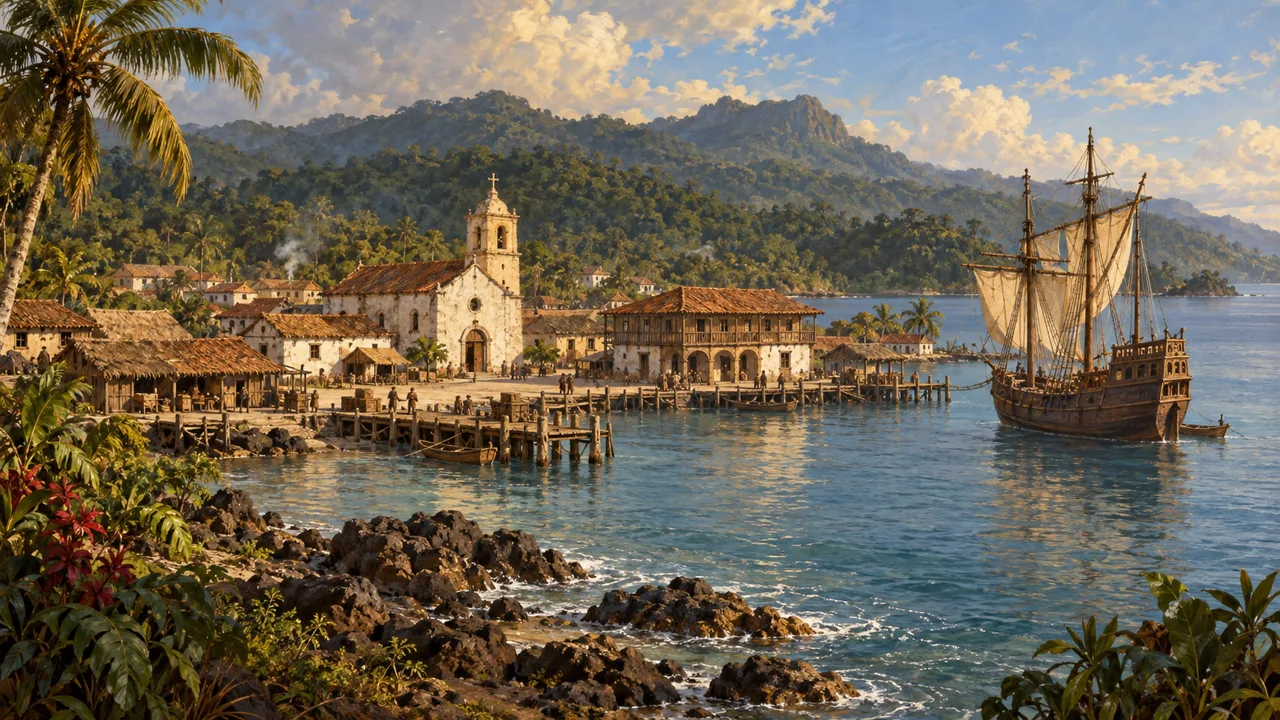
Panama on the Routes of the Conquest: Ports, Institutions and Voyages to Peru
Cieza presents Panama as a reference point on the route to Peru. The accounts cited here describe it as a seat of institutions and as a place that expeditions and officials passed through. These fragments let us explore those connections, but they do not let us reconstruct the sequence of the conquest of Panama.
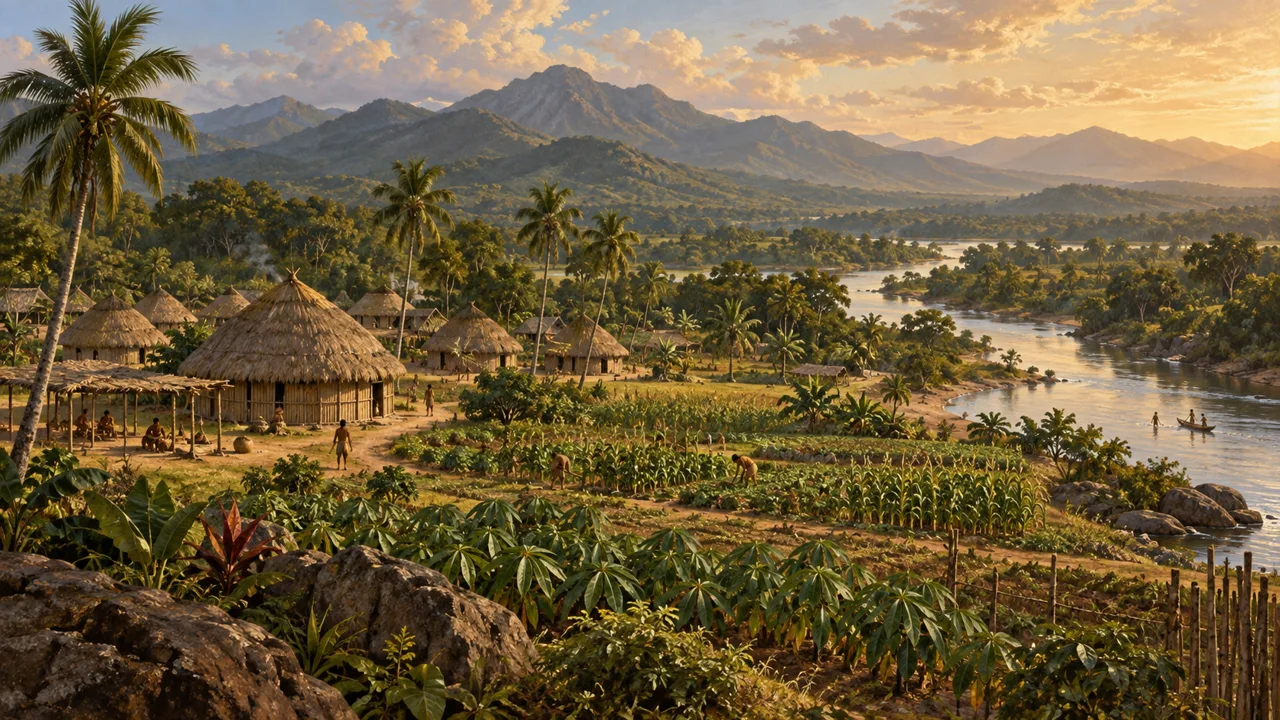
Guarionex and the Christians: Tributes, War and Versions of the Peace
One passage describes Guarionex as good and peaceable, although he "much refused it", without saying what. Las Casas denounces the tributes imposed on him and blames his flight on those injustices. Oviedo records two versions: that he was freed to keep the peace, or that he came in peace to redeem his captive wife.
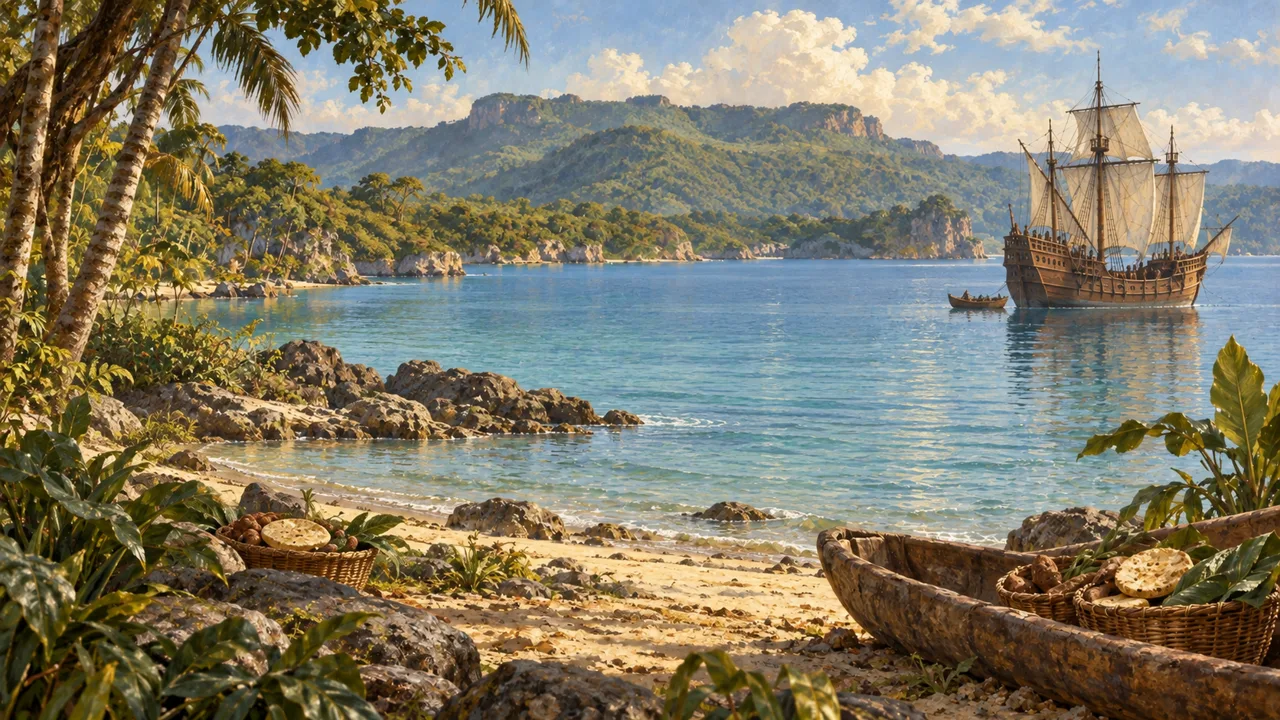
Palmas, Baracoa and Havana: Cuba Told Through Its Arrivals and Departures
The unverified accounts place Diego Velázquez's 1511 landing at Palmas, and the arrival of Cristóbal de Cuéllar, María de Cuéllar and María de Toledo at Baracoa. Bernal Díaz tells of some procuradores passing through Havana, and the source quoting Bernal Díaz presents Havana, unverified, as Cuba's stopover for Castile.
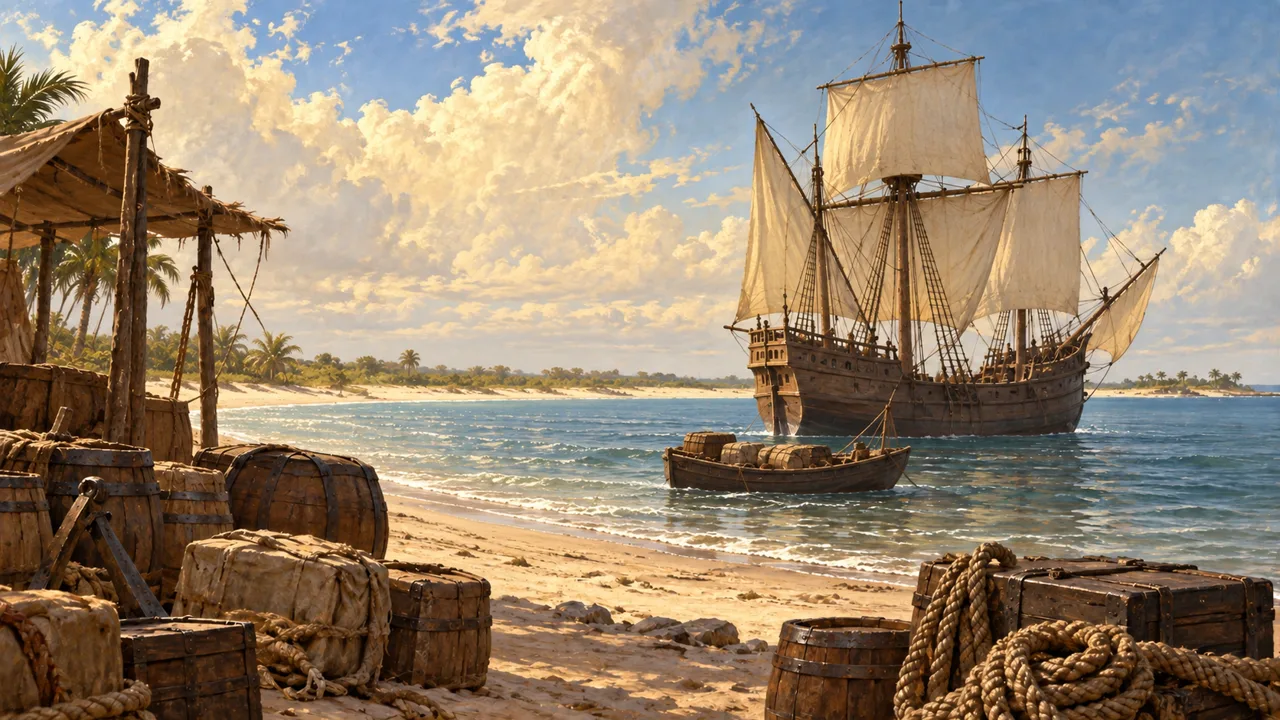
Spain Across the Sea: Voyages, Captivity and Appeals for Justice
In the cited accounts, Spain is the destination of several voyages, some planned and some thwarted: the Admiral's return, before which he wanted to reconnoitre the coast; the return the malcontents sought, per Las Casas; and the transfer of the detained Caonabo with his brother. Guaman asks the King for a visitador from Spain who favours the Indians.
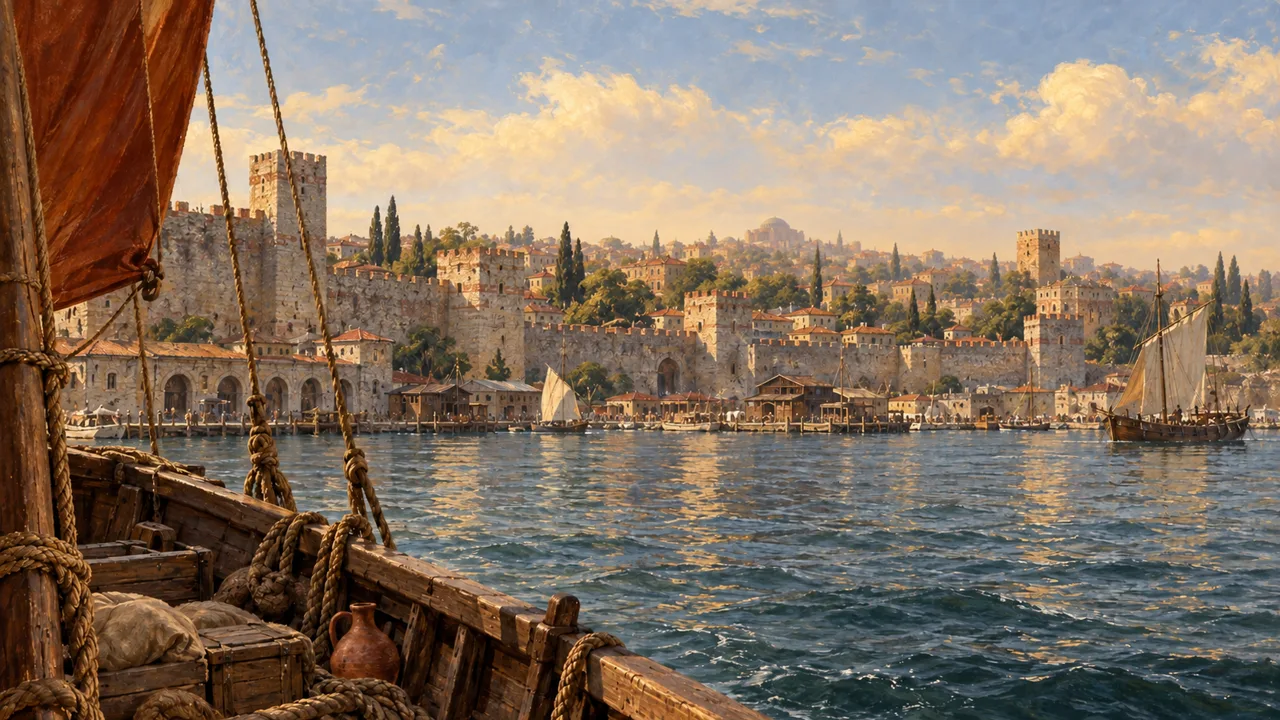
Constantinople in Bernal Díaz's account of Cortés's soldiers
According to Bernal Díaz, soldiers of Cortés who had been to Constantinople praised the proportions and crowds of a plaza, in the context of the entry into Tenochtitlan. The identification with Tlatelolco, attributed to Bernal Díaz, is pending verification, and the verified sources do not allow it to be confirmed.
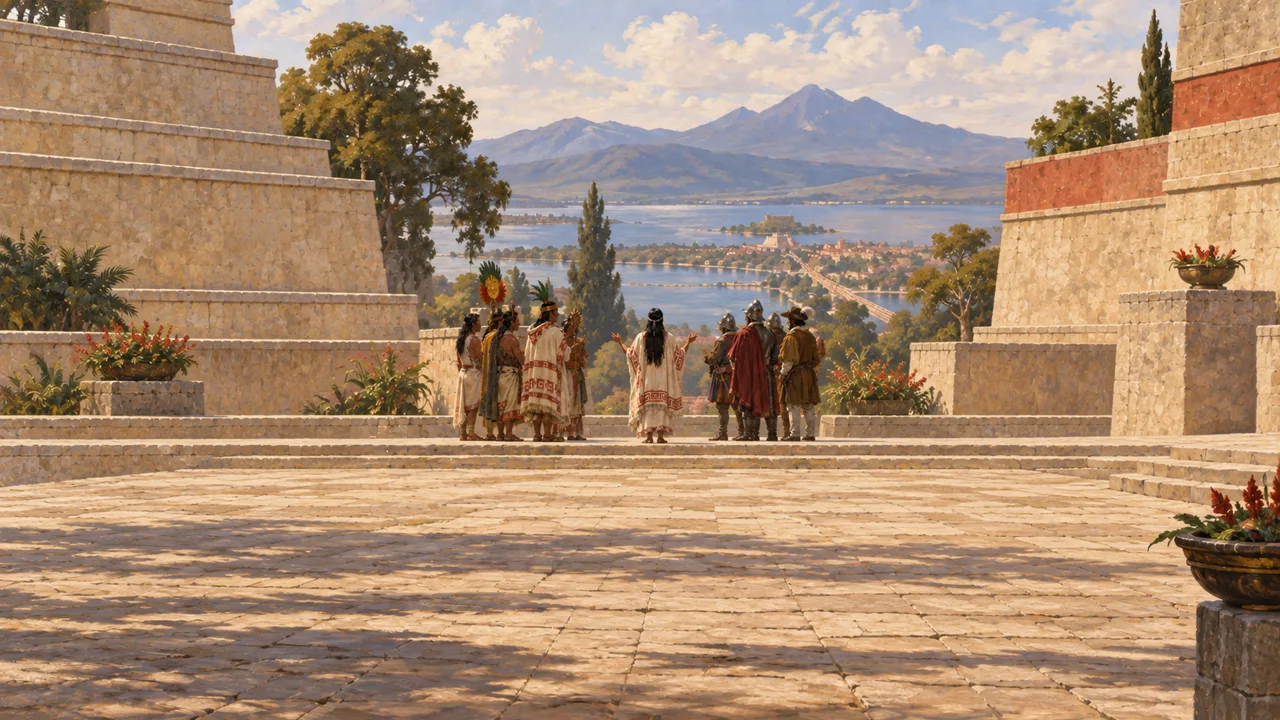
Doña Marina: The Work of Being Cortés's "Tongue"
According to historical studies, doña Marina served alongside Jerónimo de Aguilar as Cortés's interpreter. Other passages, not yet verified, say that she knew the tongues of Guacacualco and Tabasco and that she was at Cortés's side when envoys arrived.


