
With their sources in plain view
Stories
Leyenda Dorada stories told with sources: every claim with its source.
72 articles
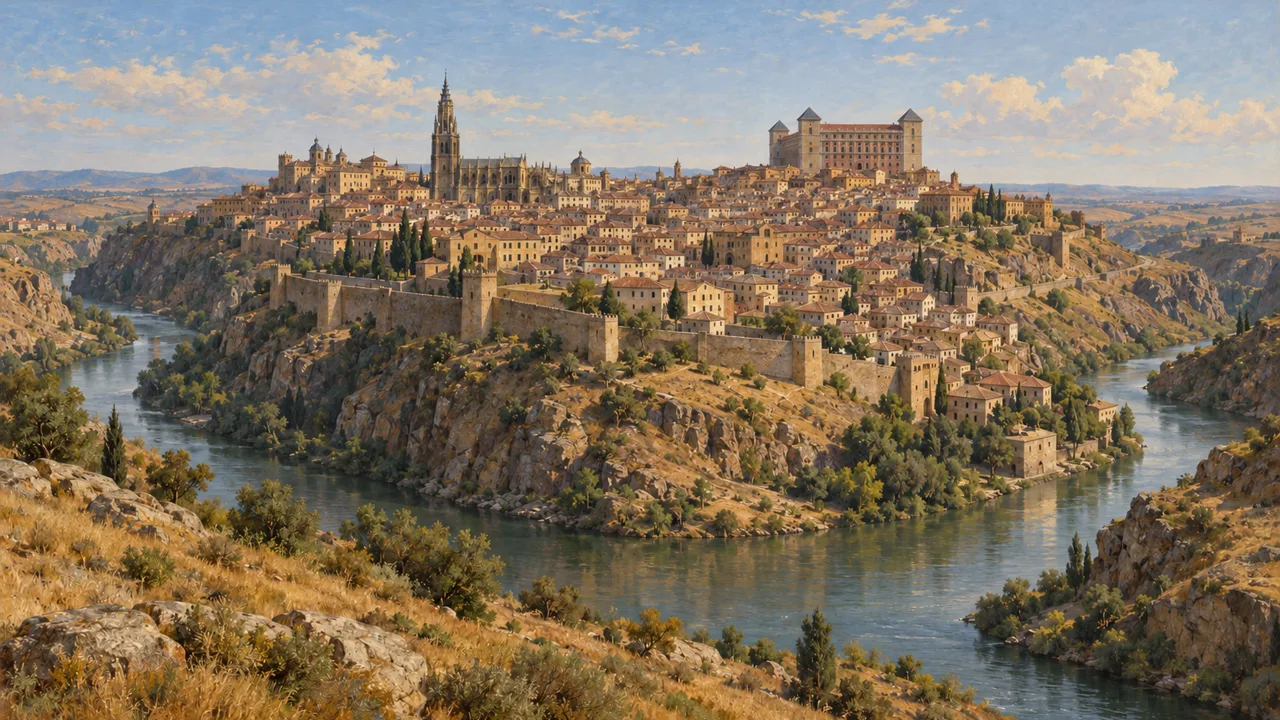
Toledo: notarial offices withdrawn for heresy and granted by the king
The king granted his equerry and keeper of silver the notarial offices left vacant in Toledo because of heresy, withdrawn from reconciled escribanos de número. The excerpt identifies neither the monarch nor those affected, and gives no date or procedural details.
Montezuma: power from Tenochtitlan and resistance to his authority
In the 1519 account, Tenochtitlan was the seat of Montezuma's power, and he waged continuous wars with Tlaxcala. According to an unverified passage, Cortés ordered Montezuma's tribute-gatherers arrested and told people to stop obeying him and paying him tribute. Another unverified passage describes an alleged conspiracy to hand the kingdom to Cacamatzin.
Inca Justice According to Guaman Poma: Officials, Inspections and Punishments
According to Guaman Poma, the tocricoc was each province's governor, and the chief constable made arrests. The chronicler describes household inspections and punishments for laziness and filth, as well as cruel punishment for governors who failed in their duties and death by drowning for drunkards.
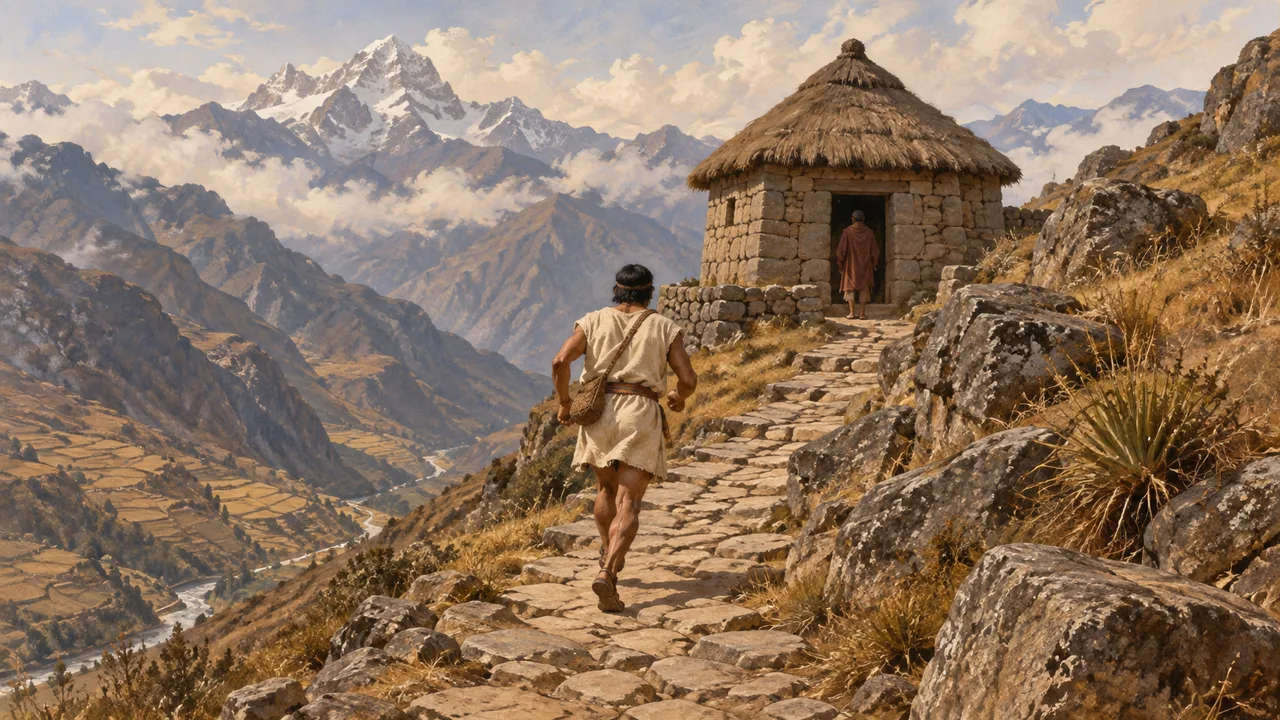
Chasquis, Quipus and Acllas: Service to the Inca According to Guaman Poma
According to Guaman Poma, the Inca paid and fed the couriers, who carried messages and loads. The author describes quipus as knotted cords used by accountants, and acllas as chosen women kept in houses, some dedicated to the Sun, Moon and stars.
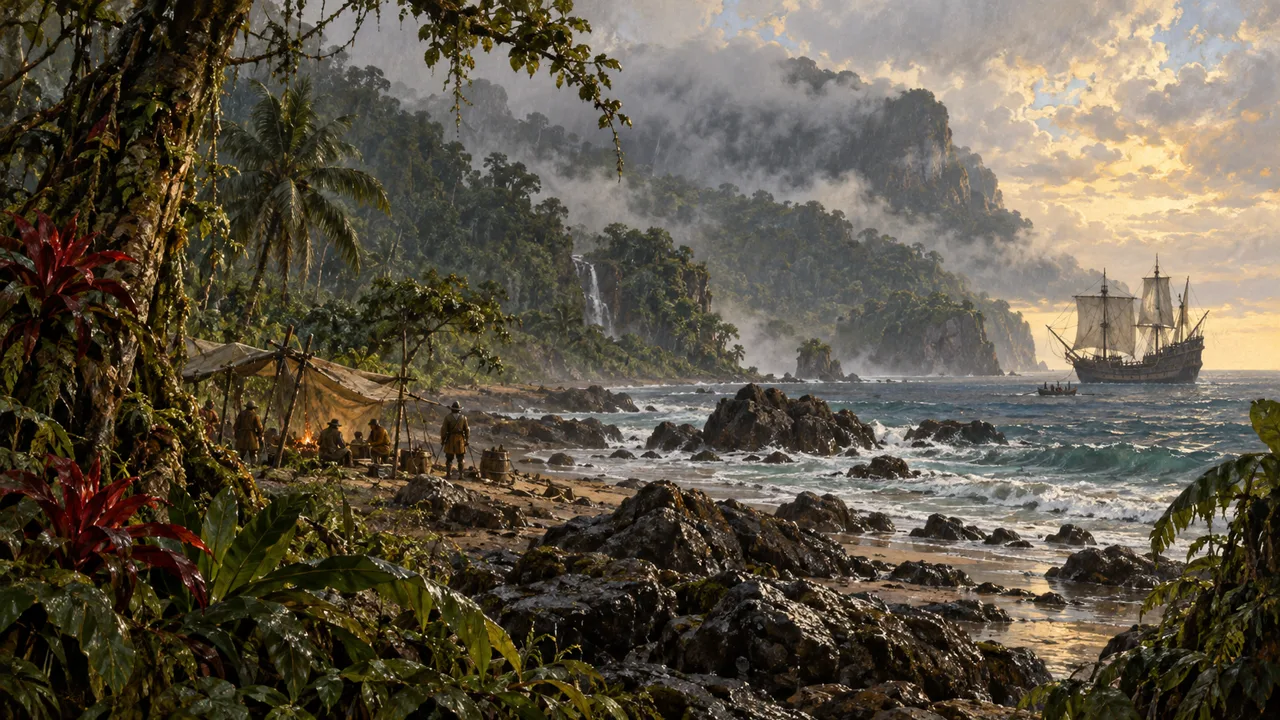
Francisco Pizarro: what the sources say about the places in his story
The passages present Francisco Pizarro as lieutenant and captain in Urabá, founder of Quito and the authority whose powers Belalcázar held when settling Guayaquil. The disputed Cajamarca table records Atahualpa Inca's captivity; Guaman's map attributes his capture and death to Pizarro.
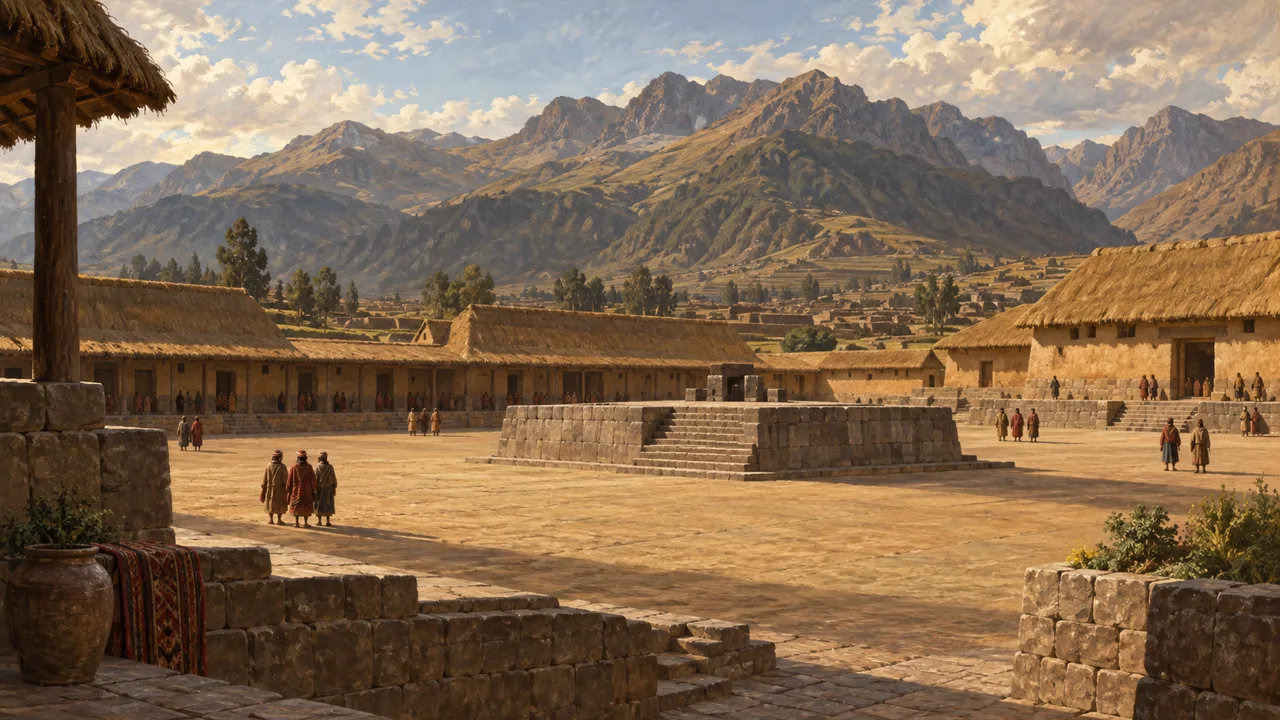
Caxamarca: From Atahualpa's Throne to Prison
Guaman's drawing depicts the ruler on his throne in Caxamarca; the account of the plaza attributes his capture to Pizarro and Almagro and describes numerous deaths. According to the episode involving the document, once imprisoned, he asked Francisco Pizarro to read it, but a soldier read it instead.
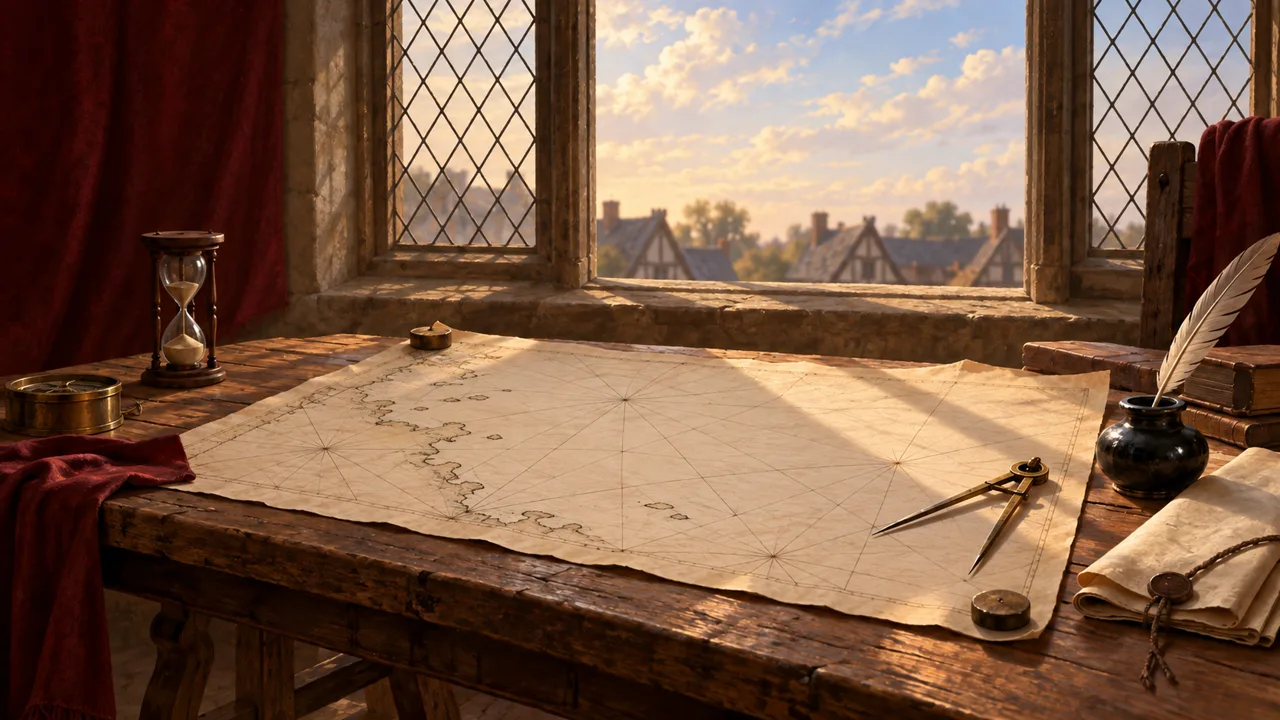
Bartholomew Columbus: What London, Lisbon and Xaraguá Tell Us
Las Casas transcribes the inscription placing Bartholomew Columbus's world map in London in February 1488 and his note on Bartolomeu Dias's arrival in Lisbon in December that year. The passage on Xaraguá recounts Bartholomew's mission in Hispaniola around 1496–1498.
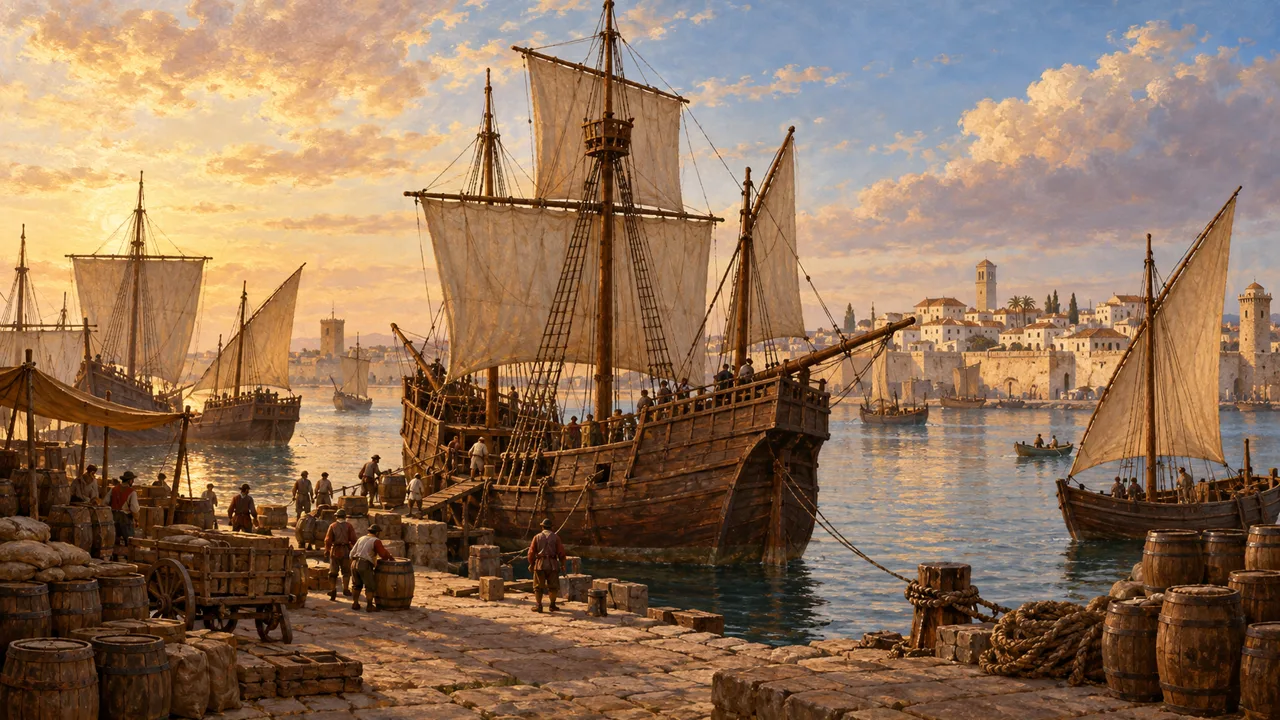
Cádiz in Columbus's fleets: preparations, news and the return of the Admiral as a prisoner
The sources place both preparations and returns in Cádiz. Ferdinand Columbus says the second fleet was mustered there in September 1493. Passages not yet fact-checked describe the fitting-out in Seville and Cádiz, the Admiral's return as a prisoner in 1500, and the arrival of Antonio de Torres with letters and gold.
The royal officers of the Indies and the men who prepared the fleets
The Royal Treasury officers in the Indies were four: Treasurer, Comptroller, Factor and Overseer, each holding his own appointment from the King. An unverified account has Fonseca dispatching the caravels with the Admiral. The avería, the cost of fitting out, was apportioned on what was brought from the Indies and among the inhabitants of the ports concerned.
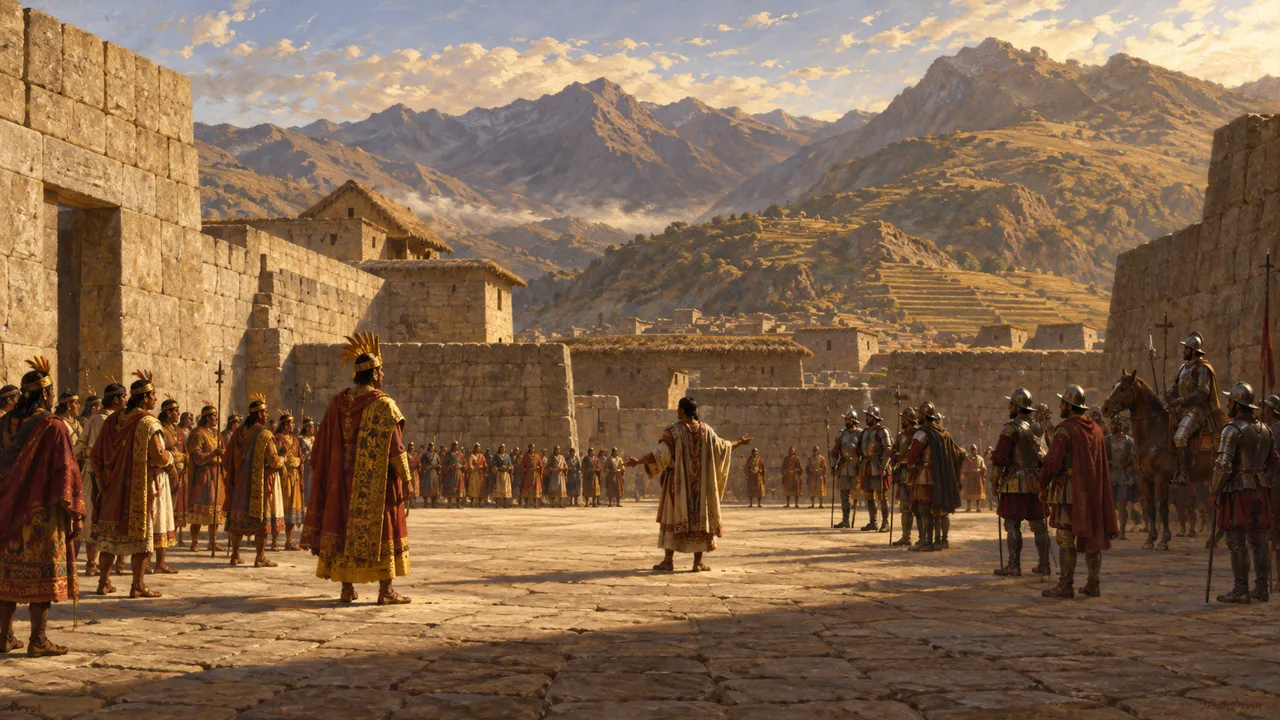
Felipe, the interpreter the sources place before Atahualpa
According to the account of the voyage to the Indies, Felipe was an interpreter, and the description of Guaman Poma's drawing places him before Atahualpa at Cajamarca. The sources cited, including the extract from a disputed table that also mentions him, do not allow us to reconstruct his translations or his decisions.
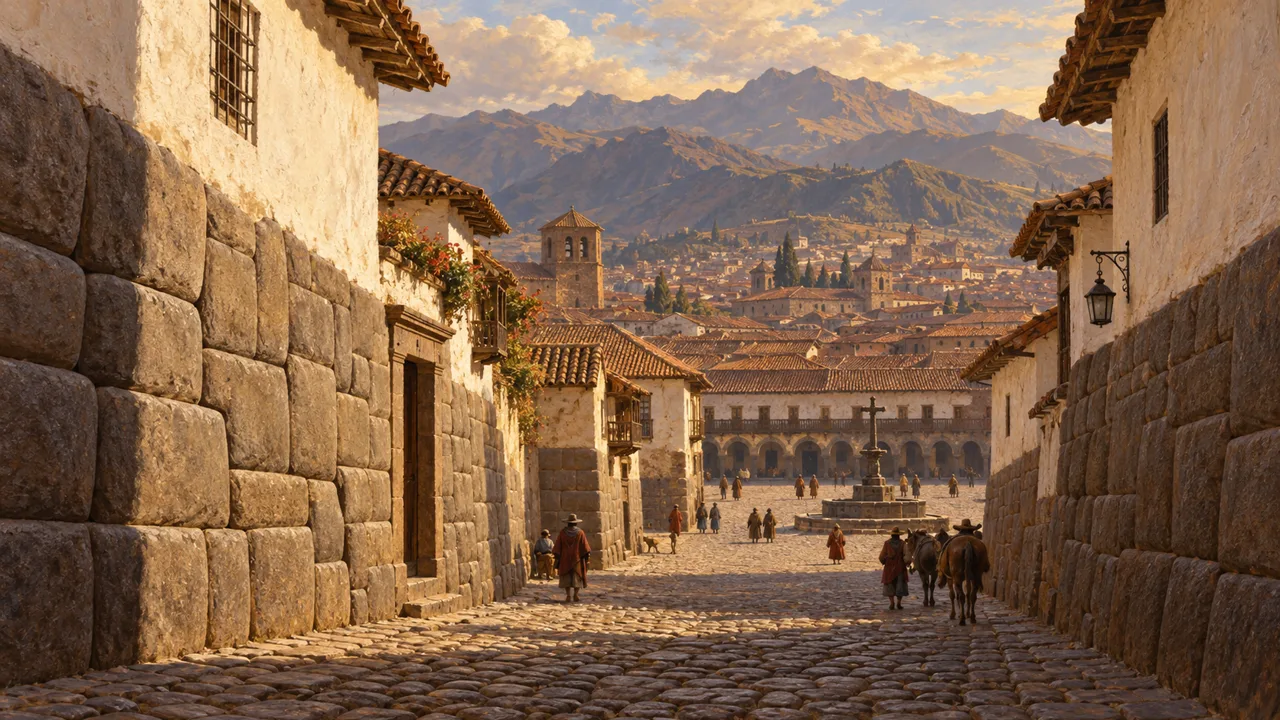
Cuzco: roads, wealth and the "other Cuzco" of Vilcabamba
The testimonies present Cuzco as a chief city that drew together roads, workers from the provinces and accumulated treasure. Another passage recounts the building of "another Cuzco" in Vilcabamba. These unverified extracts help explore the importance attributed to the city, but cannot reconstruct its Spanish capture.
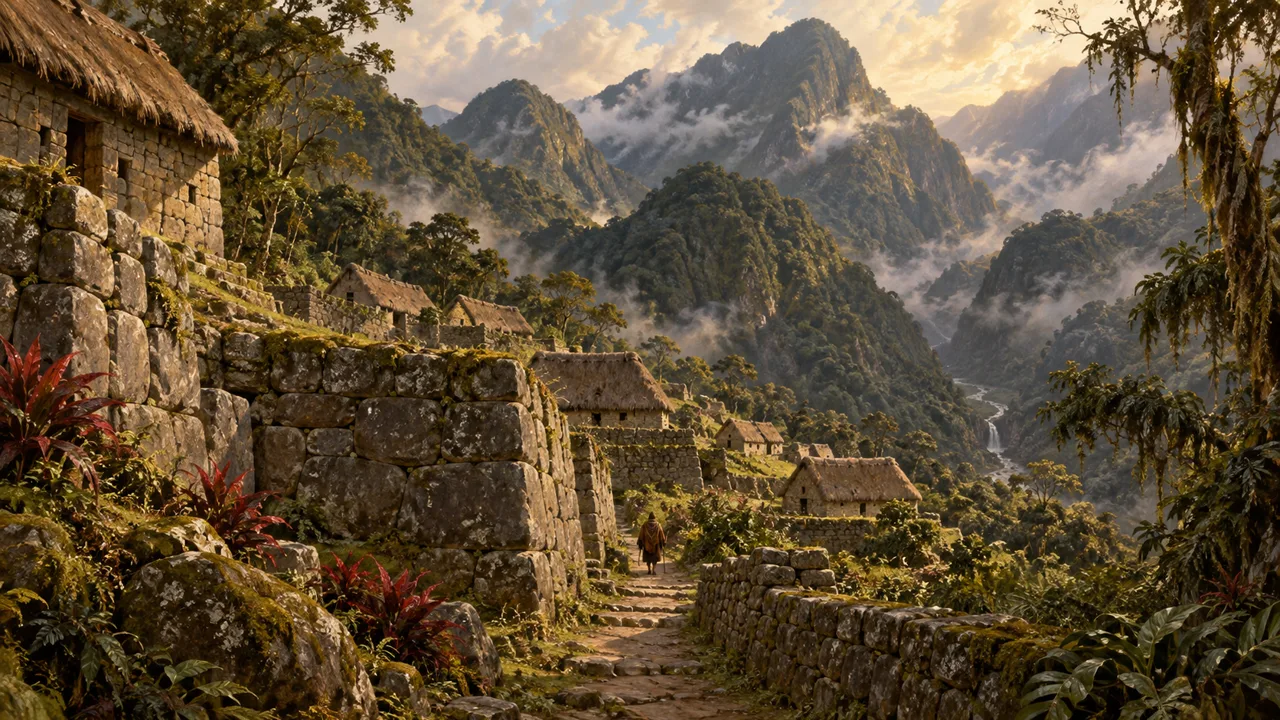
Manco Inca and Vilcabamba: from retreat to the account of his death
According to an unverified passage, Manco Inca decided to withdraw to Vitcos after he was defeated in the war of Cuzco. Another passage, also unverified, says he built "another Cuzco" at Vilcabamba. It also states that Diego Méndes stabbed him to death during a drunken scene, though it gives no date or motive.


